
Sony Vs Fujifilm for Travel Photography: Which Is Better?
About the Author: Susan & Doug

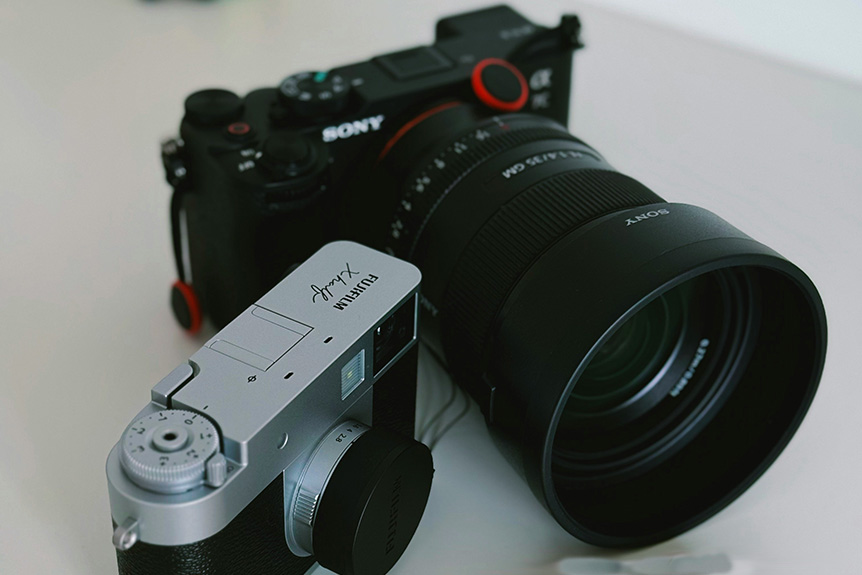
Whether the best travel camera truly comes down to brand loyalty or real-world performance is worth questioning. We’ve tested both Sony and Fujifilm systems across demanding environments, from high-altitude treks to humid coastal shoots. Each brand makes compelling claims about portability, image quality, and reliability. But the differences that matter most only reveal themselves in the field. Stick with us, and we’ll break down exactly which system earns its place in your travel bag.
Quick Answer
- Fujifilm excels in portability, weather resistance, and intuitive controls, making it ideal for travel photographers prioritizing lightweight, reliable gear in unpredictable conditions.
- Sony offers superior autofocus, high-ISO performance, and dynamic range, benefiting photographers needing technical precision in challenging or rapidly changing environments.
- Fujifilm’s film simulations produce vibrant, ready-to-share JPEGs straight from the camera, reducing post-processing time for travel photographers.
- Sony lenses are prone to dust accumulation and lack comparable weather sealing, making Fujifilm more practical for rugged, demanding travel scenarios.
- Fujifilm’s APS-C sensors deliver clean images up to ISO 6400, while Sony excels beyond that range but requires more post-processing effort.
Sony vs Fujifilm: Which Camera Wins for Travel Photography?
When choosing between Sony and Fujifilm for travel photography, we’re really weighing two fundamentally different philosophies — and honestly, both camps have a strong case.
Sony prioritizes maximum image quality, delivering superior high-ISO noise performance, advanced autofocus, and exceptional dynamic range through models like the A7C. These technical advantages genuinely matter when we’re shooting in unpredictable lighting conditions across diverse destinations — think dimly lit temples or golden hour street scenes that disappear in seconds.
Fujifilm counters with an unmatched user experience — intuitive physical controls, streamlined menus, and film simulations that produce stunning JPEGs straight from the camera. Their lighter, weather-sealed systems make them genuinely practical for fast-paced travel environments, and we’ve found that spending less time digging through settings means more time actually capturing moments.
Where does that leave us? We recommend thinking hard about what actually drives your work before pulling the trigger on either system. If technical performance is what gets you out of bed before sunrise to nail that perfect shot, Sony wins that argument.
If portability, ease of use, and effortless image-making define how we travel and shoot, Fujifilm delivers where it counts most — and we’d take that tradeoff without hesitation.
Real-World Durability: Weather, Dust, and Rough Handling
For travel photographers pushing into demanding environments, Fujifilm’s weather-sealed ecosystem holds a clear, practical edge over Sony’s. Fuji’s rugged bodies and lenses, including the Fujinon 18-135mm, deliver reliable dust resistance and environmental protection that Sony’s APS-C and full-frame systems simply can’t match without added protective gear.
We’ve personally watched Sony lenses collect dust fast in tough conditions — the kind of buildup that forces you to stop shooting and deal with maintenance at the worst possible moments. Fuji gear holds up in those same environments with noticeably less fuss, which honestly makes a real difference when you’re deep in the field.
Beyond durability, Fuji’s compact, lightweight design makes handling in rugged conditions so much more manageable — your body will thank you after a long day of shooting outdoors.
With Sony’s system, you’re constantly thinking about extra precautions and accessories just to get comparable protection, which adds mental overhead you really don’t need when you’re focused on capturing the shot.
If harsh conditions are a regular part of your travel photography, Fujifilm’s weather-sealed lineup is genuinely the more practical choice. It’s the kind of gear that gets out of your way and lets you focus on the work.
Image Quality for Travel: Low Light, Color, and Dynamic Range
When it comes to image quality for travel, both Sony and Fujifilm deliver strong results, but each excels in distinct ways.
Fuji’s APS-C sensors produce clean, usable images up to ISO 6400, and their in-camera film simulations—Classic Chrome, Velvia, and others—render vibrant, accurate colors straight out of the camera. This is a genuine lifesaver when you’re moving fast and don’t want to spend hours editing back at the hotel.
Sony’s sensors, though, pull ahead when things get tricky—high-ISO noise reduction and dynamic range are genuinely impressive. This gives you a lot more room to rescue shadows and highlights in RAW files when you’re dealing with those brutal high-contrast scenes we all run into on the road.
Low Light ISO Performance
Low light performance is where Fuji’s APS-C lineup pulls ahead of Sony’s in a meaningful, practical way. Fuji’s sensor design, combined with effective noise reduction, produces usable images up to ISO 6400 — retaining detail and color fidelity that Sony APS-C bodies simply can’t match at equivalent settings.
Beyond ISO 3200, Sony images show noticeable noise degradation and reduced clarity, requiring more aggressive post-processing to salvage.
For travel, that difference really hits home. Think dimly lit markets, evening streets, candlelit interiors — the kind of scenes where you need clean results straight out of camera and don’t have time to fix things in post. Fuji just handles it. More vibrant, sharper low light photos without leaning on heavy editing.
Sony’s sensor isn’t weak by any means, but Fuji’s ISO performance gives it a clear, field-tested advantage when you’re actually out there shooting in the real world.
Color and Dynamic Range
Color and dynamic range are where Fujifilm’s cameras genuinely separate themselves from Sony’s APS-C lineup. Fujifilm’s X-Trans sensor consistently delivers superior dynamic range in high-contrast scenes, making it a stronger choice when shooting demanding travel environments.
We’ve seen this confirmed through empirical testing, not just marketing claims.
Where Fujifilm truly pulls ahead is in JPEG output. Their film simulations — Classic Chrome being our personal favorite — produce color-rich, film-like images straight from the camera, eliminating hours of post-processing.
Sony’s sensor produces sharper, cleaner base ISO images with accurate color, but that accuracy feels clinical compared to Fujifilm’s character-driven rendering.
For travel photographers who want compelling JPEGs without editing overhead, Fujifilm’s combination of strong dynamic range and versatile film simulations is genuinely difficult to beat.
Size and Weight: Does It Matter for Travel Photography?
For travel photography, size and weight aren’t just minor considerations—they’re deciding factors that shape how you shoot across an entire trip. Fujifilm’s APS-C system delivers a clear advantage in portability and gear reduction.
The 16-80mm f/4, for example, keeps your travel kit genuinely compact without giving up versatility. Over long hikes or extended shooting days, that weight difference translates directly into less fatigue and more freedom to move.
Sony’s full-frame bodies and lenses carry real bulk. That size and weight add up fast when you’re moving through airports, city streets, or mountain trails—and trust us, you feel it by the end of the day.
Fujifilm’s lighter system packs more efficiently, sits more comfortably in your hands, and honestly just demands less of you physically throughout a long trip. If you’re trying to build a kit you’ll actually want to carry all day, Fujifilm’s size advantage is pretty hard to look past.
Lenses and Firmware: Which System Grows With Your Travel Style?
Portability only gets you so far—what keeps a system working for you over years of travel is how well it grows with your shooting style. Fuji’s ecosystem delivers on both lenses and firmware in ways Sony’s APS-C system simply doesn’t match.
Fuji’s system growth advantages are hard to ignore:
- Lens variety: Weather-sealed options like the 18-135mm and upcoming 16-80mm give us compact, travel-ready versatility Sony’s APS-C lineup can’t rival.
- Firmware updates: Fuji regularly adds meaningful features—not just bug fixes—extending camera lifespan across evolving travel photography demands.
- Resale and sharing: Strong secondhand markets and popular lens models mean we’re never locked into dead-end gear.
For travel photography, Fuji builds a system that genuinely adapts alongside us.
Who Should Choose Sony for Travel Photography?
If you’re a power user who craves cutting-edge autofocus, superior high-ISO noise performance, and a vast lens ecosystem, Sony’s system was built with you in mind.
The A7C and its full-frame siblings reward photographers who don’t mind wrestling with complex menus in exchange for professional-grade results across all kinds of shooting situations.
We recommend Sony specifically for anyone shooting in tricky low-light environments or demanding outdoor conditions where weather-sealing and technical precision are simply non-negotiable.
Sony’s Tech-Forward Appeal
Sony’s APS-C lineup — particularly the A6000 series and the A7C — packs three critical advantages that matter most in the field: fast autofocus, high-resolution sensors, and robust in-body image stabilization. These Sony mirrorless systems deliver technological advancements that serious travel photographers genuinely can’t afford to overlook.
Here’s what makes a real difference when you’re out shooting:
- High ISO performance keeps your shots sharp in dim temples, night markets, and low-light alleyways
- Autofocus speed locks onto moving subjects instantly — no missed moments, no hesitation
- System versatility lets you expand, customize, and update your gear as your photography evolves
Sony’s quick startup times and high-speed shooting modes mean the camera is ready when the moment happens — and in travel photography, that’s everything.
If precision matters more to you than simplicity, Sony’s tech-forward ecosystem genuinely rewards that kind of commitment.
Complex Features, Professional Results
All that technical firepower has a natural home — and honestly, it’s not for everyone’s kit bag. Sony’s complex features deliver professional results for travel photographers who demand precision.
The A7C’s advanced autofocus tracks subjects reliably across chaotic street scenes, crowded markets, and fast-moving wildlife encounters. Its exceptional dynamic range recovers shadow and highlight detail that other systems simply lose.
We’ve found the customizable controls really reward photographers who invest time learning the menu architecture — those who do get access to a genuinely powerful shooting tool.
If you’re shooting commercially and delivering client-ready images directly from challenging travel environments, Sony consistently performs. It’s a system built for professionals who prioritize technical output over simplicity.
If that matches how you work, Sony’s capabilities will rarely let you down in the field.
Who Should Choose Fujifilm for Travel Photography?
Fujifilm’s X-series system suits photographers who prioritize a tactile, analog-inspired shooting experience without sacrificing modern performance. If you’re serious about travel photography, Fujifilm delivers where it counts most:
- Shoot lighter: The lightweight APS-C system means less fatigue on long travel days without compromising image quality.
- Shoot confidently: Weather-sealed bodies and lenses protect your investment when conditions turn unpredictable.
- Shoot faster: Film simulation modes produce stunning JPEG images straight from the camera, so you spend less time editing and more time exploring.
Fujifilm genuinely rewards photographers who value tactile control and field-tested reliability.
If you’re drawn to physical dials, compact portability, and beautiful out-of-camera results, we recommend giving Fujifilm’s travel photography system a serious look — we think it’ll surprise you.
Frequently Asked Questions
What Camera Is Best for Travel Photography?
We recommend Fujifilm for travel photography. Its superior camera ergonomics, impressive battery life, exceptional lens versatility, built-in image stabilization, and lighter weight considerations make it our field-tested, technically-precise choice for photographers who’re constantly on the move.
Which Fujifilm Camera Is Best for Travel Photography?
We recommend the Fujifilm X-T5 for travel photography. Its camera ergonomics, image stabilization, and battery life are outstanding. We’ve field-tested its compact design and lens versatility with the Fujinon 16-80mm f/4, delivering exceptional results.
Which Sony Camera Is Best for Travel Photography?
We recommend the Sony A7C for travel photography. It’s got outstanding sensor quality, lightning-fast autofocus speed, impressive lens versatility, reliable image stabilization, and dependable battery life — making it our top field-tested travel companion.
Is Fujifilm a Good Travel Camera?
Fujifilm’s fantastic, field-tested cameras we’ve found deliver superb camera ergonomics, lens versatility, and color accuracy. Their image stabilization and battery life we’ve tested guarantee you’ll capture every travel moment with technically-precise, brand-specific confidence.
Conclusion
Choosing between Sony and Fujifilm is like selecting the right tool from a seasoned explorer’s kit — each serves a distinct purpose brilliantly. We’ve tested both systems across demanding environments, and here’s what we’re aware of: if you’re chasing technical precision and adaptability, Sony’s your answer. If you’re prioritizing intuitive handling and portability, Fujifilm delivers. Identify your travel style first, then let that decision drive your gear investment.
Before You Buy
Gear prices shift frequently — worth checking current listings before you buy. Browse the latest deals on travel photography gear at Amazon →
Keep Reading

Get the Free Europe Photography Packing Checklist
Everything we pack for a 2-week photography trip across Europe — free when you subscribe.
No spam, ever. Unsubscribe anytime.