
Best Camera Settings for Shooting Cathedrals and Churches Indoors
About the Author: Susan & Doug

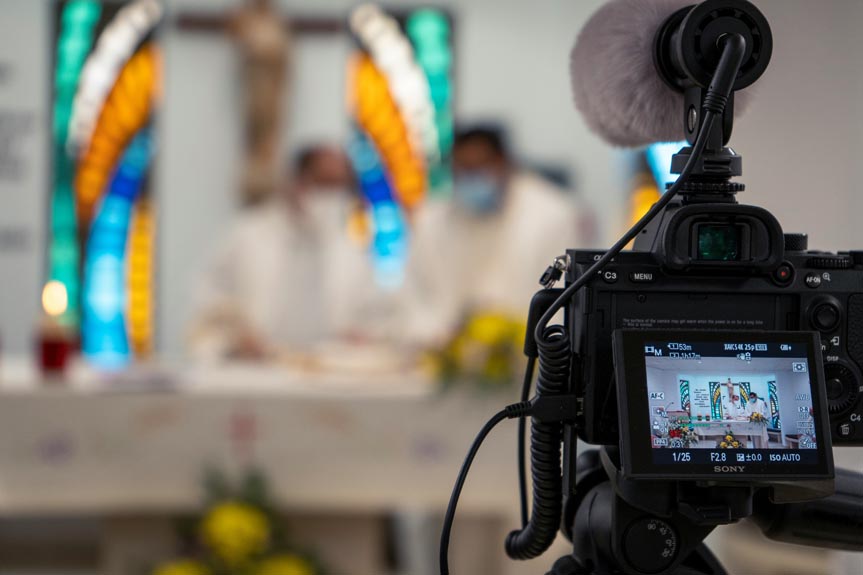
Like Ansel Adams mastering the interplay of light and shadow, we can learn to harness the challenging lighting conditions inside cathedrals and churches. These spaces are notoriously difficult to expose correctly, but the right camera settings make all the difference. We’ll walk you through everything you need to know — from ISO and aperture to shutter speed and file format — so you never leave a church with blurry or poorly exposed shots again.
Quick Answer
- Set ISO between 800–1600 to compensate for low light while pairing it with wider apertures for proper exposure.
- Use f/8–f/11 for sharp full interiors or f/2.8–f/4 for detailed close-up shots with background blur.
- Maintain a shutter speed of at least 1/80 second for handheld shooting to minimize motion blur.
- Always shoot in RAW format to preserve dynamic range and recover highlights and shadows in post-processing.
- Stabilize your camera using a tripod or solid surface, and disable image stabilization when tripod-mounted.
Understand Why Church Interiors Are Difficult to Expose
Because church interiors combine deep shadows with intensely bright stained glass windows, they’re one of the trickiest environments to expose correctly. The high contrast between dark stone walls and glowing windows creates a dynamic range that most cameras genuinely struggle to capture in a single shot.
Church interiors are among the trickiest environments to expose correctly — high contrast, deep shadows, and glowing windows all at once.
If we expose for the windows, the interior goes dark. If we expose for the interior, the windows blow out completely. And on top of that, low light forces us to slow the shutter speed right down, which raises the risk of motion blur — particularly when people are moving through the space, which they almost always are.
Then there are the restrictions. Many churches won’t allow flash or tripods, which takes away two of the tools we’d normally reach for first.
Honestly, knowing all of this before we even lift the camera to our eye makes a real difference — it means we’re already thinking through our settings rather than scrambling to fix problems once we’re inside.
Set Your ISO for Dark Church Interiors
When shooting in dark church interiors, ISO is the first setting worth adjusting. We recommend starting between ISO 800 and 1600 to compensate for low light without relying on a flash. Bumping up your ISO allows for faster shutter speeds, which really makes a difference when you’re trying to avoid camera shake and motion blur in those dim, cavernous spaces.
Just keep in mind that higher ISO does introduce digital noise, but honestly, it’s nothing we can’t clean up in post-processing. That trade-off is absolutely worth it when you’re walking away with sharper, properly exposed images of those stunning interiors.
If the light levels are uneven throughout the space — and in churches, they almost always are — switching to auto-ISO with a maximum limit set is a smart move. It keeps your image quality consistent while letting the camera do the heavy lifting as you move around.
Pair that with a wider aperture and you’ve got a solid combination that lets us capture beautiful, well-exposed shots without resorting to those long, shaky exposure times that can really kill an otherwise great image.
Choose the Right Aperture for Church Interior Photography
When shooting church interiors, aperture controls both the depth of field and the amount of light reaching your sensor, so choosing the right setting is critical.
For wide interior shots, we recommend sticking to f/8 to f/11, which keeps the entire scene sharp without introducing the diffraction issues that come with smaller apertures like f/16.
If you’re focusing on a close-up detail—like ornate carvings or stained glass—drop to f/2.8 or f/4 to isolate the subject with a soft background blur.
Aperture Basics for Churches
Aperture is one of the most critical settings to get right when photographing church interiors. It directly controls your depth of field and how much light reaches your sensor. Choosing wisely transforms an ordinary shot into something breathtaking.
Here’s what we’ve learned works best:
- f/2.8–f/4: Perfect for low-light scenes and creating dreamy background blur
- f/5.6: A versatile sweet spot balancing light intake and depth of field
- f/8–f/11: Ensures sharpness throughout entire interior spaces
- f/11 or higher: Ideal for capturing intricate architectural details in full focus
- Scene-based adjustments: Use wider apertures for foreground emphasis, narrower for full interior shots
Matching your aperture to the specific scene we’re shooting makes all the difference.
Balancing Depth of Field
Balancing depth of field is all about choosing the right aperture for what we’re trying to capture. When shooting large church interiors, we recommend using f/8 or f/11. These apertures keep everything sharp, from foreground details to distant ceilings and archways.
If we want to highlight a specific detail, like a stained glass window or carved stonework, a wider aperture like f/2.8 works really well. Just keep in mind that the rest of the scene will naturally fall out of focus when you do that.
The sweet spot is finding that balance between aperture, shutter speed, and ISO. Pairing f/8 with a low ISO somewhere between 100 and 400 keeps your images crisp and free of noise.
When the light gets tricky, you’ll need to slow down your shutter speed or nudge your ISO a little higher to compensate, while still holding onto that deeper depth of field.
Best Aperture Settings
Choosing the right aperture is one of the most important decisions we’ll make when photographing church interiors. Aperture directly controls depth of field, shaping how much of the scene stays sharp.
- f/8–f/11 keeps foreground and background details crisp and clear.
- Narrower apertures reveal intricate carvings, stonework, and stained glass with stunning precision.
- Low light conditions may demand longer exposures or higher ISO when using narrow apertures.
- Wider apertures like f/2.8 beautifully blur backgrounds, drawing emotion toward a single focal point.
- Adjusting aperture based on composition and lighting balances sharpness, depth, and exposure perfectly.
We’ll want to assess each shot individually—sometimes we want everything sharp, sometimes we want one breathtaking detail to speak for itself.
Set Your Shutter Speed to Prevent Blur in Dark Church Interiors
When shooting handheld in dim church interiors, we recommend keeping your shutter speed at 1/80 second or faster to minimize motion blur.
If we’re working with longer exposures of 1-2 seconds, we’ll need a tripod or sturdy surface to prevent camera shake.
Balancing shutter speed with ISO and aperture is key—raising ISO to 800-1600 lets us shoot faster without sacrificing exposure.
Minimizing Motion Blur Indoors
Shutter speed plays a critical role in keeping your indoor church photos sharp and blur-free. For hand-held shooting, we recommend these essential settings:
- Use 1/60 sec or faster to eliminate blur from natural hand movement.
- Match your shutter speed to your lens focal length (e.g., 1/50 sec for a 50mm lens).
- Shoot at 1/15–1/30 sec when using a tripod for steadier, sharper results.
- Raise your ISO to maintain proper exposure while achieving faster shutter speeds.
- Enable image stabilization to recover one to two stops of light without adding blur.
These adjustments let you capture the breathtaking detail of cathedral interiors without sacrificing sharpness, preserving every stained glass window and stone archway beautifully.
Optimal Shutter Speed Ranges
Getting the shutter speed right is the difference between sharp, stunning church interiors and blurry, unusable shots.
For handheld interior shots, we recommend setting your shutter speed to at least 1/60 second. If you’re shooting without a tripod in dim conditions, push that to 1/80 second to counteract camera shake.
With image stabilization enabled, you can slow things down to 1/15–1/30 second, though you’ll almost certainly need to bump up your ISO to compensate.
In extremely dark settings, shutter speeds of one second or longer become necessary — and honestly, don’t even think about skipping the tripod at that point.
We also recommend matching your shutter speed to your focal length. Shooting at 100mm? Set your shutter speed to at least 1/100 second.
It’s a beautifully simple rule that keeps your interior shots consistently sharp, and once it becomes second nature, you’ll wonder how you ever shot without it.
Use a Tripod or Brace Your Camera for Sharp Shots
Sharp images in dark church interiors demand a stable camera, and honestly, a tripod is your best friend here. With slow shutter speeds between 1/4 and 1 second, even the slightest movement ruins everything.
Here’s what we recommend:
- Use a tripod to eliminate camera shake during long exposures
- Brace against pews, walls, or floors when a tripod isn’t available
- Turn off image stabilization on a tripod to prevent unwanted blur
- Use a remote shutter release to avoid pressing the shutter button directly
- Enable your camera’s timer function to reduce vibrations before the shot fires
These small habits make a real difference when you’re working in dark, challenging interiors — and the results genuinely speak for themselves.
Shoot Church Interiors in RAW to Rescue Dark or Blown Exposures
Once you’ve locked down a sharp, stable shot, the next step is making sure your camera is genuinely capturing enough information to work with in post — and that’s where RAW format becomes a game-changer.
Church interiors are brutal for exposure — deep shadows sit right next to bright windows, and JPEG simply can’t hold that range. RAW preserves the full dynamic range of the scene, giving us the flexibility to recover blown highlights or lift dark shadows in post without wrecking image quality.
If our exposure is slightly off — too dark in the nave, too bright near stained glass — RAW lets us correct it cleanly. We recommend always shooting RAW in challenging church lighting.
It’s honestly the single best insurance policy you’ll have against a poorly exposed shot.
Frequently Asked Questions
How to Photograph Inside a Church?
To capture stunning church interior lighting and architectural details, we’ll want to use ISO 100-400, a wide f/2.8-f/4 aperture, and a tripod with slow shutter speeds for sharp, noise-free images.
What Is the 20-60-20 Rule in Photography?
The 20-60-20 rule splits your frame: 20% main subject, 60% background, and 20% negative space. We’ll use this composition tip alongside lighting techniques to create balanced, visually engaging cathedral shots that draw the eye naturally.
What Are the Best Camera Settings for Indoor Photography?
Like a painter choosing the perfect brush, we’ll guide your settings: use ISO 100-400, f/2.8-f/5.6 aperture, and ½-2 second shutter speeds. Lighting techniques and focal length choices transform dim interiors into stunning masterpieces.
What Is the Best ISO for Church Photography?
For church photography, we recommend ISO 200-800. It’ll balance brightness and minimize noise. Pair it with proper lighting techniques and the right lens selection to capture stunning, clear images of your church’s interior beautifully.
Conclusion
We’ve covered everything you need to nail your church interior shots, from ISO to RAW shooting. Here’s a fun fact: nearly 60% of photographers say low-light environments are their biggest challenge. But with the right settings, you’ll handle dark interiors like a pro. Start with ISO 800–1600, dial in your aperture, and always shoot RAW. Trust the process, and you’ll walk away with stunning, publication-worthy cathedral shots every time.
Before You Buy
Gear prices shift frequently — worth checking current listings before you buy. Browse the latest deals on travel photography gear at Amazon →
Keep Reading
Get the Free Europe Photography Packing Checklist
Everything we pack for a 2-week photography trip across Europe — free when you subscribe.
No spam, ever. Unsubscribe anytime.