
Best Compact Camera That Fits in Your Pocket While Traveling
About the Author: Susan & Doug

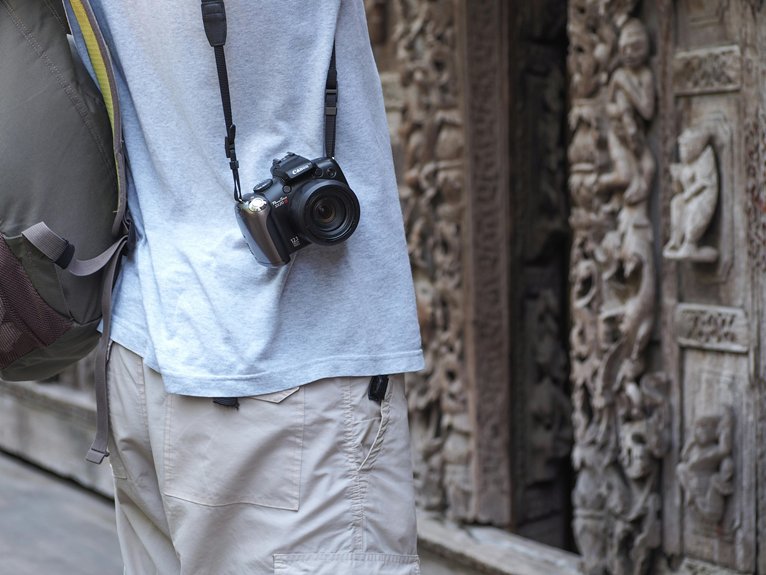
A camera bag that weighs more than your luggage is a vacation killer. We’ve tested dozens of pockets cameras across crowded markets in Tokyo and cobblestone streets in Lisbon, and the results surprised us. The Ricoh GR IIIx and Sony ZV-1 II consistently outperformed bulkier alternatives. But choosing between fixed and zoom lenses changes everything about how you shoot. We’ll break down exactly what matters.
Quick Answer
- The Ricoh GR IIIx packs a 24MP APS-C sensor into an ultra-compact body weighing under 300 grams, making it truly pocketable.
- Sony RX100 VII offers a versatile 24-200mm zoom range on a 1-inch sensor while remaining compact enough for pocket carry.
- Fixed lens cameras like the Ricoh GR IIIx prioritize superior image quality and portability over zoom flexibility for travel photography.
- Prioritize cameras with larger sensors, fast autofocus, built-in stabilization, and Wi-Fi connectivity for the best travel shooting experience.
- Budget between $250–$600 for quality options, and allocate an extra $50–$100 for essential accessories like spare batteries and SD cards.
Fixed Lens vs. Zoom: Which Pocket Camera Is Right for You?
When choosing a compact camera, the first decision we’ll face is fixed lens vs. zoom — and it’s a real trade-off between optical quality and shooting flexibility.
Fixed lens models like the Ricoh GR IIIx deliver superior image quality, wider maximum apertures (f/2.8 or faster), and exceptional low light performance in a truly pocketable, compact size. If portability is your priority, the fixed lens wins every time.
That said, zoom lens cameras like the Sony ZV-1 II offer focal length ranges of 24-200mm, giving you genuine travel photography versatility without swapping glass. The trade-off? You’re dealing with increased size and weight.
We recommend the fixed lens for street and portrait work — it just feels right for that kind of shooting. For mixed-use travel photography where your subject distance is constantly changing, though, the zoom lens is honestly the smarter call.
Best Pocket Cameras for Travel in 2026
When it comes to the best pocket cameras for travel in 2026, we’ve narrowed the field to five standout options: the Sony RX100 VII, Ricoh GR IIIx, Leica Q3, Canon PowerShot G7 X Mark III, and Panasonic LUMIX L10 .
Each camera brings something genuinely different to the table—from the RX100 VII’s impressive 24-200mm zoom range to the Leica Q3’s jaw-dropping 60MP full-frame sensor—so the right pick really comes down to how you actually shoot and what you’re comfortable hauling through airports and cobblestone streets.
We’ll walk you through the key things worth thinking about, including sensor size, lens versatility, weight, and video capability, so you can find the camera that fits the way you travel.
| Camera | Sensor | Best For | Price | Buy |
|---|---|---|---|---|
| Sony RX100 VII | 20MP 1-inch | Best zoom range — 24-200mm | ~$1,499 | View on Adorama |
| Ricoh GR IIIx | 24MP APS-C | Best image quality — fixed 40mm | ~$1,299 | View on Amazon |
| Canon PowerShot G7X Mark III | 1-inch | Best for vloggers and creators | ~$1,399 | View on Amazon |
| Panasonic LUMIX L10 | 17MP MFT | Best zoom + large sensor combo | ~$1,499 | View on Adorama |
| Fujifilm X-T30 II | 26MP APS-C | Best budget APS-C pocket camera | ~$888 | View on Adorama |
* Prices approximate. Check Amazon for current pricing. Affiliate links — we earn a small commission at no extra cost to you.
Top Pocket Camera Picks
Choosing the right pocket camera for travel in 2026 comes down to balancing sensor size, zoom range, and portability—and a handful of models genuinely nail that trifecta.
The Sony RX100 VII leads our picks, delivering a 20MP 1-inch sensor with a 24-200mm zoom in a carry-anywhere small body.
For fixed-lens purists, the Ricoh GR III and GR IIIx pack a 24MP APS-C sensor into an ultra-compact form—exceptional image quality, zero compromise on pocket space.
The Canon PowerShot G7 X Mark III offers a 24-100mm zoom on a 1-inch sensor, while the Panasonic LUMIX L10 squeezes a Micro Four Thirds sensor into a travel-ready photo tool.
If budget is on your mind, we recommend the Fujifilm X-T30 II—it punches well above its price with 26MP APS-C quality, and honestly, it’s the kind of camera that surprises you every time you pull it out.
Key Features to Consider
Before committing to any pocket camera for travel, we think it’s worth understanding the handful of features that truly separate a capable travel shooter from a glorified point-and-shoot.
Size and portability matter, but they can’t come at the expense of image quality. We recommend prioritizing cameras with larger sensors—APS-C or 1-inch—since they handle low-light conditions and fine detail far better than smaller alternatives.
A versatile zoom range like 24–200mm eliminates lens swapping entirely, which is a bigger deal than it sounds when you’re moving fast between locations.
Reliable stabilization keeps handheld shots sharp during movement, while fast autofocus locks on subjects without hesitation—both things you’ll genuinely notice and appreciate in the field.
Connectivity features like Wi-Fi and Bluetooth streamline sharing directly from wherever you happen to be.
And honestly, don’t overlook build quality and durability—whether through weather sealing or reinforced materials—because your camera needs to survive the same demanding conditions you’re putting yourself through, without growing into something too bulky to actually carry.
Best Pocket Camera by Shooting Style: Street, Landscape, and Family
Three distinct shooting styles — street, landscape, and family — each demand different things from a pocket camera, and the right pick really comes down to what you’re actually out there shooting.
For street photography, we recommend the Ricoh GR III or GR IIIX — their discreet design, fast autofocus, and 28mm-equivalent lens make them unbeatable compact cameras for candid, spontaneous moments.
If landscapes are your thing, we recommend the Fujifilm X100VI — its high-resolution 40MP sensor and weather sealing deliver stunning detail no matter what conditions you’re shooting in.
For family and travel photography, the Sony RX100 VII’s versatile 24–200mm zoom, pocket-sized build, and reliable image quality handle pretty much every scenario you’ll throw at it.
And honestly, the Fujifilm X100VI pulls double duty as a family shooter too — those film simulation modes bring a real warmth and vibrance to everyday moments that’s hard not to love.
Match your style to your tool.
Sensor Size, Weight, and Features That Actually Matter
Once you’ve matched your shooting style to the right camera, the specs underneath the hood start to matter a lot more than the marketing copy suggests.
For travel photography, sensor size directly drives low-light performance — APS-C and full-frame options like the Sony RX1R III punch well above their compact design.
Weight shapes usability too; we recommend staying under 300 grams for all-day comfort. The Sony ZV-1 II and Ricoh GR IIIx both nail that threshold.
Don’t overlook stabilization and autofocus — these features separate sharp keepers from blurry misses in real conditions.
Weather sealing adds field durability, while strong video capabilities future-proof your kit.
A truly pocketable camera balances all these factors without sacrificing image quality for convenience.
How to Pick the Right Pocket Camera for Your Budget
Pocket cameras span a wide price range — from budget-friendly options around $250 to luxury compacts exceeding $2,000 — so nailing down your budget first keeps the decision manageable. Once you’ve set a ceiling, prioritize sensor size; a 1-inch or APS-C sensor dramatically improves low-light performance over smaller alternatives.
We recommend cross-referencing specifications carefully — image stabilization, Wi-Fi connectivity, and manual controls separate capable travel companions from frustrating limitations. Fixed focal length lenses maximize pocketability and optical quality, though zoom variants add versatility for unpredictable shooting scenarios.
Cameras like the Sony RX100 VII and Ricoh GR IIIx demonstrate how budget tier directly correlates with feature depth. Read field-tested reviews, compare real-world samples, and match specifications against your actual shooting conditions before committing.
Where to Buy and What to Budget
When shopping for a used compact camera, we recommend starting with reputable platforms like MPB, KEH, and Adorama, all of which provide detailed condition ratings and solid return policies.
For most travelers, a budget between $250 and $800 will land you a capable used model—think a Sony RX100 III or IV—at a fraction of the $1,200+ cost of buying new.
If you’re unsure which model fits your needs, rent through Lensrentals.com for under $100 a week before committing to a purchase.
Recommended Retailers and Platforms
Not ready to buy? Progearorlando.com or Lensrentals.com lets you field-test premium compact cameras starting around $35 per day — we recommend trying this route before dropping $300–$1600 on a permanent purchase.
Budgeting for Your Purchase
Budgeting for a high-quality compact camera typically means spending $250–$1,500, depending on the feature set and brand pedigree — a Sony ZV-1 II or Canon PowerShot G7 X Mark III sits closer to the $1400 range, while entry-level options like the Ricoh GR IIIx HDF land around $1,349 and the Canon PowerShot V1 come in around $850.
The used market through retailers like MPB, KEH, Adorama, and B&H cuts costs considerably while still offering warranty coverage and verified condition ratings.
We recommend setting aside extra funds — roughly $50–$100 — for accessories like spare batteries, fast SD cards, and protective cases.
Watch for price fluctuations driven by seasonal sales, limited discounts, and shifting market availability; holiday cycles and clearance events regularly drop prices on outgoing models, making timing your purchase just as strategic as choosing the camera itself.
📷 Our Compact Camera Picks
The pocket cameras we actually recommend for travel:
- Best zoom compact for versatile travel shooting → Sony RX100 VII on Adorama →
- Best fixed lens for street and landscape → Ricoh GR IIIx on Amazon →
- Best budget APS-C pocket camera → Fujifilm X-T30II on Adorama →
- If you want a full mirrorless system instead → Best mirrorless cameras for travel →
Affiliate links — we earn a small commission at no extra cost to you.
Frequently Asked Questions
Can Pocket Cameras Withstand Rain or Dusty Environments While Traveling Abroad?
We’ve found that many pocket cameras, like the Ricoh GR IIIx, offer water resistance, dustproof seals, and weatherproof features. Their sealed casing, rain-resistant coating, and all-weather capability guarantee environmental durability, giving you reliable shock resistance and rainproof design abroad.
How Long Do Pocket Camera Batteries Typically Last During a Full Travel Day?
Imagine shooting golden sunsets worry-free! We’ve found battery life spans 200-400 shots per charge. Power consumption varies by usage patterns, but we recommend spare batteries, smart camera settings, and power management to maximize energy efficiency throughout your travel duration.
Are Pocket Cameras Allowed in Museums and Cultural Heritage Sites Worldwide?
Museum restrictions vary widely — we’ve found most cultural site rules permit pocket cameras like the Sony ZV-1 II, but expect photography bans near artifacts, flash limitations, tripod policies requiring permits, prohibited equipment checks, and conservation efforts dictating preservation guidelines.
Can I Charge My Pocket Camera Using a Standard USB Power Bank?
Yes, we’ve found most pocket cameras support USB charging via power banks, but check your model’s power bank compatibility first. We recommend Anker PowerCore for ideal charging speed, energy efficiency, and extended battery life during travel shoots.
Do Pocket Cameras Work Well in Extremely Hot or Cold Travel Destinations?
Like a soldier tested in battle, we’ve found pocket cameras vary wildly in extreme conditions. We recommend the Sony RX100‘s thermal performance and weatherproof features guarantee temperature resistance, climate adaptability, and cold endurance through brutal temperature fluctuations you’ll encounter.
Conclusion
We’ve covered the full landscape — from fixed primes like the Ricoh GR IIIx to versatile zooms like the Sony ZV-1 II — and the truth is, the best pocket camera is the one that doesn’t stay home. Don’t let the perfect be the enemy of the good; a capable compact you’re carrying beats a mirrorless kit collecting dust. Match your shooting style, lock in your budget, and start capturing.
Before You Buy
Gear prices shift frequently — worth checking current listings before you buy. Browse the latest deals on travel photography gear at Amazon →
Keep Reading
Get the Free Europe Photography Packing Checklist
Everything we pack for a 2-week photography trip across Europe — free when you subscribe.
No spam, ever. Unsubscribe anytime.