
Best Cameras for Shooting Video While Traveling in Europe
About the Author: Susan & Doug

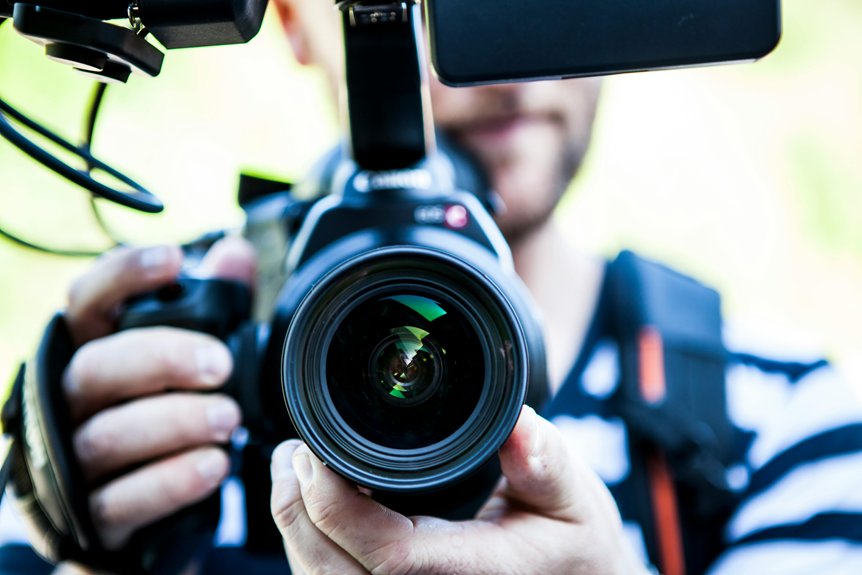
Every travel video you’ve ever watched that made you book a flight was probably shot in Europe. We understand what separates forgettable footage from cinematic gold — and it starts with the right camera. Not every camera handles cobblestone alleys, golden-hour cathedral light, or chaotic Christmas markets equally well. We’ve tested compact shooters against professional mirrorless systems across real European conditions. The differences will surprise you, and we’re breaking it all down.
Quick Answer
- Prioritize cameras with 4K recording, 10-bit color, and log profiles for cinematic, color-grade-ready travel footage across Europe’s diverse environments.
- In-body image stabilization is essential for smooth handheld footage on Europe’s uneven cobblestone streets and dynamic urban settings.
- Compact options like Sony RX100 VII and Fujifilm X100VI offer portability, discreet shooting, fast autofocus, and built-in WiFi for quick sharing.
- For professional-quality video, mirrorless cameras like the Sony A7S III or Canon EOS R5C deliver superior low-light performance and cinematic flexibility.
- Match your camera to your travel style—compact for city exploring, rugged action cameras for adventures, and full-frame mirrorless for cinematic landscapes.
Do You Actually Need a Dedicated Video Camera in Europe?
Before dropping hundreds on a dedicated video camera for your European trip, think carefully about what modern smartphones already make possible. The iPhone 14 Pro and Samsung Galaxy S23 Ultra shoot stunning 4K travel video, and paired with a portable gimbal for stabilization, they’re genuinely capable vlog machines that fit right in your pocket.
That said, if you’re after manual control, log profiles, or higher frame rates for cinematic footage, a dedicated video camera or compact camera like the Sony A7C II starts to make a lot more sense. These versatile cameras deliver superior video quality with interchangeable lenses, all without the bulk of traditional cinema rigs weighing down your travel bag.
For most travelers shooting personal memories or social content, smartphone video gets the job done beautifully. We recommend investing in professional features only when your creative goals genuinely call for them — not simply because the gear looks impressive sitting on a shelf.
The Video Features That Actually Matter for European Travel
When you’re navigating Europe’s uneven cobblestone streets and piazzas, in-body image stabilization (IBIS) isn’t optional—it’s the difference between usable footage and a shaky mess.
We’ve found that cameras like the Sony A7S III and Panasonic LUMIX GH6 deliver 5-axis IBIS that genuinely smooths out handheld movement at walking pace.
Low-light performance matters just as much, and honestly, it’s something we wish we’d prioritized earlier in our own kit choices—since you’ll inevitably be shooting inside dim cathedrals, candlelit restaurants, and golden-hour alleys where a camera’s high-ISO capability and wide aperture lens pairing will completely define the quality of your final edit.
Stabilization for Cobblestone Streets
Cobblestone streets are one of Europe’s most iconic features—and one of the biggest enemies of smooth video footage. When shooting handheld through Paris or Prague, serious stabilization is the difference between professional results and footage that looks like a minor earthquake.
In-body stabilization (IBIS) and lens-based stabilization work together to counteract those constant micro-vibrations rattling up through your feet, and honestly, having both active at once makes a real difference. Sony’s SteadyShot and Canon’s IS technology are strong built-in options that handle a lot of the heavy lifting directly through your gear.
For electronic stabilization, we recommend looking at advanced EIS systems—they’re genuinely effective for vlogging, though keep in mind they’ll crop your frame slightly.
If cinematic results are what you’re after, pairing your camera with a gimbal like the DJI Ronin-RS or Zhiyun Crane 4 series is the way to go—it’s a game changer on rough terrain.
And for static shots, a good tripod locks everything down cleanly, even on the most uneven surfaces.
Low Light Performance Matters
Getting your footage stable on those uneven streets is only half the battle—once the sun dips behind a cathedral or you step inside a candlelit trattoria, low light performance becomes the next major hurdle.
Larger sensors make a real difference here. Full-frame and APS-C cameras gather notably more light than smaller alternatives, giving you cleaner footage at high ISO settings. Pair that sensor size with strong noise reduction processing, and grainy, unusable clips become far less common.
We recommend prioritizing a fast lens—f/1.4 or f/1.8 options let in considerably more light without pushing ISO higher than necessary.
Features like dual native ISO and log profiles expand dynamic range further, preserving shadow and highlight detail inside dim museums, restaurants, and historic interiors where stabilization alone simply won’t save your shot.
Best Travel Video Cameras in Europe at Every Budget
Whether you’re shooting on a shoestring or going all-in on a serious kit, choosing the right camera can genuinely transform your European travel footage — and we’ve spent enough time in the field to know that budget doesn’t always tell the whole story.
- Under $1,000: For everyday travel videography, we recommend the Sony ZV-1 — it punches well above its price point with sharp 4K video and reliable autofocus that keeps up even when you’re moving fast through busy streets or crowded markets.
- $1,000–$2,500: The Panasonic Lumix G9 II is where things get really interesting. We recommend it to any serious creator looking for cinematic footage with advanced stabilization that handles everything from cobblestone walks to mountain hikes without turning your footage into a shaky mess.
- $2,500+: If the budget allows, full-frame sensor cameras like the Sony a7C II produce stunning, professional-grade video that genuinely elevates every shot — the kind of footage that makes people stop scrolling.
Don’t sleep on action cameras either. The GoPro HERO13 is something we recommend keeping in your pack for hands-free, immersive captures during active adventures — it fills gaps that no mirrorless camera realistically can when you’re deep in the thick of things across Europe.
Compact Cameras for Capturing European Streets and Cities
When navigating the narrow alleys of Venice or framing a shot outside a Parisian café, a compact camera’s discreet footprint becomes one of its greatest technical advantages.
Models like the Sony RX100 VII and Fujifilm X100VI deliver high-quality sensor performance in bodies small enough to pocket between shots. We rely on their fast autofocus to lock onto subjects instantly across busy cityscapes and markets.
Their 4K video capabilities, paired with built-in stabilization, produce clean travel videography footage without bulky rigs. A versatile zoom lens handles both tight architectural details and wide street photography compositions effortlessly.
Built-in WiFi streamlines sharing footage directly from location. For travelers prioritizing speed, image integrity, and minimal attention while shooting European streets, compact cameras remain our most consistently practical recommendation.
Mirrorless Cameras for Cinematic Europe Travel Video
Mirrorless cameras like the Sony A7S III and Canon EOS R5C are our top picks for cinematic travel video, and honestly, once you shoot with either of them in Europe, it’s hard to go back. Both deliver 4K at up to 120fps with high bitrates that hold up beautifully when you’re deep in post-production color grading. They both support log profiles—S-Log and C-Log respectively—which gives you that rich, flexible footage you need when the light is doing something unexpected, and it always is when you’re traveling.
The built-in IBIS on each camera is genuinely impressive too, keeping your footage smooth whether you’re navigating cobblestone streets in Prague or pushing through a crowded Venetian piazza with a camera in hand.
We’ll walk you through exactly what makes these cameras shine in European shooting conditions—because shooting there’s its own specific demands. The full-frame sensors handle low-light situations remarkably well, which matters enormously when you’re inside a dimly lit cathedral or trying to capture that golden hour glow over a canal without reaching for a tripod.
And the advanced face and eye-detection autofocus on both systems means you stay locked on your subject even when things get chaotic, which, in peak European tourist season, is basically all the time.
Top Mirrorless Camera Picks
Five mirrorless cameras stand out for shooting cinematic travel video across Europe, each offering a distinct balance of portability, image quality, and video performance.
We’ve narrowed our top picks based on sensor performance, autofocus reliability, and real-world travel photography usability.
1. Sony Alpha 7C II – This compact full-frame mirrorless delivers 4K video at 60p with 10-bit color and in-body stabilization, making it our top pick for cinematic flexibility.
If you’re hopping between cobblestone streets and golden-hour rooftops, this one genuinely holds its own.
2. Canon EOS R5 Mark II – Its 8K raw video and advanced autofocus system captures European landscapes with extraordinary detail.
We’ve found the autofocus particularly impressive when shooting through busy markets or unpredictable weather conditions.
3. Nikon Zf – Combines vintage aesthetics with a full-frame sensor, solid weather sealing, and 4K video quality that’s genuinely impressive for travel shooters seeking style and substance.
It’s the kind of camera that feels at home whether you’re wandering through a Parisian alley or catching the last light over the Amalfi Coast.
Cinematic Video Features Explained
Several cinematic video features separate a capable mirrorless camera from one that genuinely elevates your European travel footage.
We recommend prioritizing 4K recording with 10-bit color depth, as cameras like the Sony A7S III and Canon EOS R5 deliver exceptional video quality that holds up in post-production.
Log profiles such as S-Log and C-Log give you maximum flexibility during color grading, preserving detail across shadows and highlights.
High dynamic range handles Europe’s unpredictable lighting beautifully, from sun-drenched Mediterranean coastlines to shadowy cathedral interiors.
In-body stabilization eliminates unwanted shake during handheld city walks, while high frame rate options at 120fps unlock stunning slow-motion sequences of cascading waterfalls or bustling piazzas.
Finally, reliable autofocus tracking keeps moving subjects sharp without constant manual adjustment.
Which Camera Fits Your Europe Travel Style Best?
Choosing the right camera for Europe travel comes down to how you actually shoot and where you’re planning to go. We’ve broken it down into three travel styles to help you figure out what works best for you:
- City explorers and street shooters – We recommend grabbing something lightweight and compact like the Leica Q3, which handles fast autofocus and cinematic footage beautifully in tight, candid moments.
- Landscape and architecture enthusiasts – We recommend prioritizing a versatile lens system with zoom lenses and 4K video, like the Sony Alpha 7C II. This camera gives you that stunning wide-to-telephoto flexibility you’ll want when shooting everything from sweeping vistas to intricate facades.
- Adventure and active travelers – The GoPro HERO13 is what we recommend here, delivering rugged, stabilized video for dynamic excursions across Europe’s incredibly varied terrain.
Whatever your travel style, the best camera for the trip is the one that balances genuine reliability with lightweight portability — so you’re never leaving it back at the hotel when the perfect shot shows up.
The Accessories That Elevate Your Europe Travel Video Setup
Once you’ve matched your camera to your travel style, the right accessories can make a real difference — we’re talking about the gap between footage that looks decent and footage that actually holds up to a professional standard.
We always pack a Peak Design Travel Tripod for reliable stabilization without sacrificing portability, and honestly, it’s one of those purchases we’ve never regretted.
For audio, the Rode VideoMic Pro remains our go-to external microphone — it cuts through background noise dramatically, which matters a lot when you’re shooting in the middle of a busy European street market.
When lighting gets tricky indoors or at dusk, Lume Cube LED lights solve the problem fast without adding much bulk to your bag.
Don’t overlook screen protectors and sun hoods either, because glare is genuinely relentless during outdoor shooting and it catches you off guard more than you’d expect.
If you’re building a more advanced video setup, SmallRig camera cages are worth serious consideration — they add mounting flexibility and extra stabilization options that open up a lot of creative possibilities.
These targeted accessories are what transform a capable travel video kit into something that consistently delivers cinematic results, trip after trip.
🎬 Our Travel Video Kit
Here’s what we use for shooting travel video across Europe:
- A mirrorless camera with in-body stabilization for smooth handheld footage → Best mirrorless cameras for travel →
- A versatile travel zoom so you never swap lenses mid-scene → Best travel zoom lenses →
- A compact travel tripod for locked-off establishing shots → Best travel tripods →
- Fast memory cards that keep up with 4K recording → Best memory cards for travel →
Frequently Asked Questions
Which Camera Is Best for Travel Videos?
We recommend the Sony A7S III for its unmatched low light performance, cinematic stabilization, and superior image quality. You’ll love its autofocus speed, weather sealing, lens versatility, and user interface, making it our top travel video pick.
What Is the Best Camera to Take to Europe?
Heavy gear kills adventures—we recommend the Sony Alpha 7C II, balancing weight considerations, image stabilization, autofocus speed, low light performance, and video quality, with flexible lens selection, stellar battery life, weather resistance, size portability, and seamless connectivity options for Europe.
What Is the Best Film Camera for Travel?
We recommend the Olympus OM-1 for travel—its compact design, manual controls, and compatibility with vintage lenses make it ideal. It’s lightweight for portability, handles low light beautifully, and pairs perfectly with versatile film stock for stunning European shots.
What Is the Best Digital Camera for Traveling Abroad?
Like a Swiss Army knife, we’d recommend the Sony A7 IV—it’s got camera stabilization, lens versatility, low light performance, strong battery life, compact size and weight, stunning image quality, durability features, fast autofocus speed, 4K video resolution, and seamless connectivity options.
Conclusion
Whether you’re shooting the cobblestone streets of Prague or the golden-hour canals of Venice, the right camera transforms ordinary travel footage into cinematic storytelling. We’ve walked you through compacts, mirrorless systems, and essential accessories because we understand one truth: gear confidence lets you focus on capturing the moment, not fumbling with settings. Pick the camera that matches your travel style, pack smart, and let Europe’s breathtaking backdrops do the rest.
Before You Buy
Camera prices change frequently — check current pricing before purchasing. Browse the latest travel video cameras on Amazon →
Before You Buy
Gear prices shift frequently — worth checking current listings before you buy. Browse the latest deals on travel photography gear at Amazon →
Keep Reading
Get the Free Europe Photography Packing Checklist
Everything we pack for a 2-week photography trip across Europe — free when you subscribe.
No spam, ever. Unsubscribe anytime.