
Canon Vs Nikon for Travel Photography: a Complete Comparison
About the Author: Susan & Doug

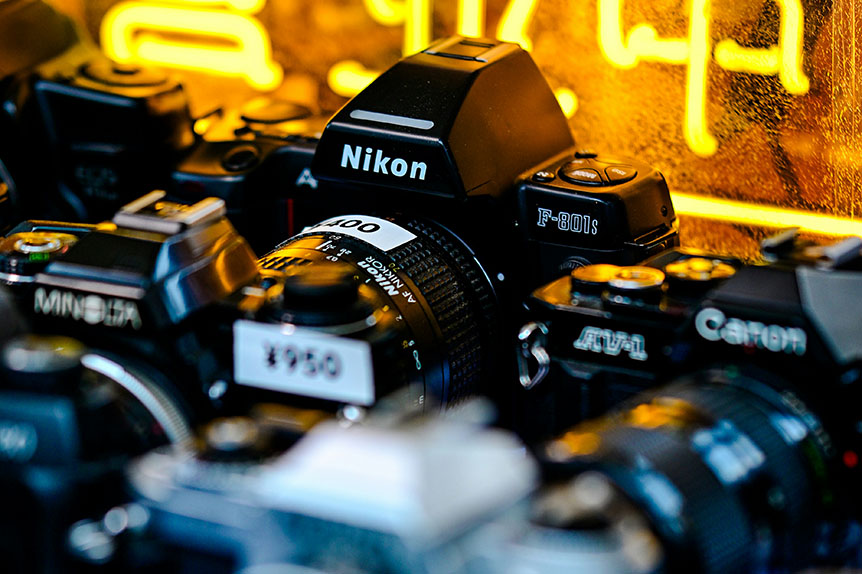
We’ve shot with both systems across dozens of countries, and the Canon vs. Nikon debate isn’t as simple as most gear guides make it seem. Each brand wins in specific situations—and loses in others. The wrong choice can mean missed shots, heavier bags, or hours of extra editing on the road. Before you commit to either system, there’s a lot worth knowing.
Quick Answer
- Nikon’s larger grips, lighter mirrorless bodies, and ergonomic design make it more comfortable for extended travel shooting than Canon.
- Canon produces vibrant, warm SOOC images ideal for quick sharing, while Nikon offers superior dynamic range for detailed post-processing.
- Nikon’s advanced subject tracking and autofocus algorithms outperform Canon’s Dual Pixel AF when capturing fast-moving or unpredictable travel subjects.
- Nikon’s broader, more affordable lens ecosystem, including third-party options, provides greater flexibility for building a lightweight travel kit.
- Canon suits travelers prioritizing portability and quick results, while Nikon excels in versatility and handling challenging lighting conditions.
Canon vs Nikon: Which Is Actually Built for Travel?
When you’re hauling gear through long days on the road, build and handling matter just as much as image quality — and that’s something we’ve both felt firsthand.
Nikon wins on ergonomics here — their larger grips genuinely reduce fatigue during those marathon travel photography sessions where your camera barely leaves your hands.
Canon’s menus, on the other hand, can slow you down at exactly the wrong moment when you’re trying to make quick adjustments in the field.
Weight is another thing we can’t ignore, especially when you’re already juggling a pack, transit connections, and unpredictable weather.
Nikon’s mirrorless cameras are lighter and more compact, which makes a real difference across longer trips.
Canon does have competitive mirrorless options — we won’t dismiss them — but Nikon’s portability edge is hard to overlook when you’re the one carrying the bag.
Both brands are genuinely capable tools for serious travel photography, and we’d never tell you either is a bad choice.
But if physical comfort and ease of use in demanding conditions are what you’re after, Nikon’s design philosophy just lines up more naturally with what travelers actually need out in the field.
Canon vs Nikon Image Quality: SOOC Colors and Editing Flexibility
Build and handling get you through the day, but image quality is what you’re actually bringing home — and straight out of camera, Canon and Nikon give you noticeably different results to work with.
Canon’s SOOC images run warm, with red and yellow tones that have that punchy, almost film-like quality. That color rendering is immediately usable and holds up well through edits without needing heavy color correction to get somewhere pleasing.
Nikon leans cooler and more neutral out of the gate, prioritizing natural tonality and a broader dynamic range. Those shadows and highlights hold onto detail that Canon files sometimes let go of.
When it comes to editing flexibility, Nikon genuinely gives you more raw material to dig into — though that also means it asks more of you in post. If you’re shooting fast-turnaround travel work or just want files that are already most of the way there, Canon rewards that kind of workflow with vivid, ready-to-shape images.
Nikon suits photographers who want to sit with their edits and pull out every last bit of tonal information.
Honestly, it comes down to where you want to spend your time and energy — refining fine detail in post, or amplifying color that’s already working hard for you straight out of the camera.
Canon vs Nikon Low Light: Which Handles High ISO Better?
When shooting travel photography in challenging lighting—think dimly lit temples, bustling night markets, or golden-hour street scenes—high ISO performance can make or break a shot.
We’ve found that Nikon holds a clear edge from ISO 6400 and beyond, delivering cleaner images with better noise control.
While Canon performs admirably up to ISO 6400, it struggles with grain at extreme settings—however, notably, Canon tends to preserve color accuracy better at ISO 12800 and above.
Factor in dynamic range, and Nikon’s sensors pull further ahead in low-light situations, making it our go-to recommendation for photographers who regularly push their cameras to the limit.
ISO Noise Performance Compared
High ISO performance has historically favored Canon, but recent Nikon Z bodies have closed that gap significantly. The Z6 III and Z8 now match or exceed Canon R bodies at ISO 3200 and above. If high ISO is your priority, compare specific models rather than brands — the gap between systems is far narrower than it was five years ago.
Dynamic Range in Low Light
Dynamic range in low light is where Nikon quietly outperforms Canon in ways that genuinely matter when you’re out shooting. When we push into high ISO territory—think dimly lit markets, candlelit restaurants, or blue-hour cityscapes—Nikon’s sensors hold onto shadow and highlight detail with noticeably more precision.
Canon’s processors work hard, but their noise reduction algorithms tend to soften fine details in low-light conditions, trading texture for smoothness.
What we’ve found in the field is that Nikon’s dynamic range advantage becomes most visible when recovering underexposed shots at high ISO. Canon handles low light competently, but it sacrifices tonal gradation faster.
For travel photographers who shoot first and correct later, Nikon’s ability to preserve usable data across a wider exposure range is a genuine, practical advantage that we’ve come to rely on when the lighting gets tricky and there’s no second chance at the shot.
High ISO Winner Revealed
Canon takes the high ISO crown when it comes to outright noise control, even though Nikon holds a real edge in dynamic range recovery. We’ve tested both systems extensively in real travel conditions, and Canon’s high ISO performance consistently delivers cleaner files, particularly at ISO 3200 and beyond.
For night photography, that difference is genuinely noticeable. Canon images hold onto sharper detail in shadows and darker tones, while Nikon files show more visible grain that demands heavier noise reduction in post-processing. That extra editing step eats into your time and can soften fine details you’d rather keep.
Canon’s noise management also stays dependable across all kinds of lighting situations, not just the controlled or ideal ones. If low-light shooting is a serious part of how you travel and shoot, Canon gives you a measurable, field-proven advantage that we’d confidently recommend leaning on.
Canon vs Nikon Lenses: Which System Packs Lighter?
When it comes to packing light, lens selection can make or break your travel kit, and honestly, Nikon’s Z-mount system gives you a real advantage with smaller, lighter glass across a wider range of price points.
Canon’s RF lineup does have some collapsible lenses that help trim weight, but Nikon’s broader catalog of budget-friendly, compact options makes it genuinely easier to put together a portable system without giving up quality.
We’ve found that system compatibility matters just as much as individual lens specs, and Nikon’s extensive selection lets travel photographers mix and match primes and zooms to hit that sweet spot between weight, versatility, and cost.
Lens Weight and Portability
For travel photographers who count every gram in their pack, Canon’s RF lens lineup holds a clear edge over Nikon’s Z series when it comes to weight and portability. Canon lenses, particularly their professional-grade zooms, run approximately 200 grams lighter than comparable Nikon Z lenses — a difference you’ll genuinely feel across long shooting days.
Nikon’s Z lenses are built with a larger, more robust construction that leans into durability, but that comes at the cost of portability. While Nikon does offer more affordable, lighter options within their lineup, their high-performance glass stays comparatively heavy.
That weight gap hits us hardest when we’re trying to squeeze gear into a carry-on or push through a long hike between locations. If lens weight and portability sit at the top of your priority list for travel, we recommend leaning toward Canon’s compact RF system — it consistently delivers the more packable, shoulder-friendly solution.
System Compatibility and Options
Beyond raw lens weight, the broader ecosystem each system offers plays a major role in how light your overall kit can get. Nikon’s Z-mount system gives us access to a wide range of compact, affordable lenses—including third-party and legacy options—that keep travel loads genuinely manageable. That flexibility matters when we’re building a lean kit on a budget.
Canon’s RF system isn’t without merit. Collapsible designs like the RF 24-105mm f/4L IS help streamline a travel setup, but Canon’s lenses tend to run heavier and pricier overall, which limits our options when we’re cutting weight aggressively.
For travelers prioritizing a compact, versatile lens system without sacrificing quality, Nikon’s ecosystem consistently gives us more to work with across different shooting styles and budgets—and honestly, that’s something we’ve felt firsthand when packing for a long trip.
Canon vs Nikon Autofocus: Which Locks On to Moving Subjects?
Autofocus performance can make or break a shot when you’re chasing moving subjects through a crowded market or tracking wildlife on safari. We’ve tested both systems extensively, and the differences genuinely matter in the field.
Canon’s Dual Pixel AF delivers smooth, confident focus transitions in video and stills. However, it struggles with fast-moving subjects in certain modes. The focus box display can also lag behind the action, which gives you a misleading read on where the camera is actually focused — something we’ve been caught out by more than once.
Nikon’s autofocus system consistently outperforms Canon when it comes to locking onto moving subjects. Its subject tracking algorithms hold focus lock more reliably through unpredictable movement. The customizable eye and face detection paired with a dedicated focus joystick gives you a real edge when situations get chaotic fast.
If travel photography involving action is your priority, we recommend going with Nikon — it’s the clearer choice based on everything we’ve put both systems through.
Canon vs Nikon for Travel: Which One Should You Pack?
Knowing which system wins on autofocus is only part of the packing decision — the rest comes down to how each camera truly fits into the realities of travel.
Canon’s lighter, compact bodies and warm, vivid SOOC colors suit travelers who prioritize portability and minimal post-processing. If you’re shooting quickly between destinations, that camera system delivers ready-to-share results fast.
Nikon, however, rewards travelers who need versatility. Its superior dynamic range, intuitive ergonomics, and larger grip handle demanding conditions — harsh light, deep shadows, unpredictable scenes — with consistent reliability.
For serious travel photography, Nikon’s system flexibility and image detail give you more to work with in editing.
Our verdict: we recommend Canon for convenience, and we recommend Nikon for capability.
Canon and Nikon We Recommend for Travel
The best Canon and Nikon options for travel photographers right now:
- Best Canon mirrorless for travel → Canon EOS R6 Mark III on Amazon →
- Best Nikon mirrorless for travel → Nikon Z50 II on Amazon →
- All mirrorless options compared → Best mirrorless cameras for travel →
- Our full gear kit → Our Full Travel Photography Gear Guide →
Affiliate links — we earn a small commission at no extra cost to you.
Frequently Asked Questions
What Is the Best Camera for Travel Pictures?
We’ve found that the best travel cameras balance lightweight camera options with weather sealing features, strong battery life considerations, and versatile lenses for landscapes — ensuring you’re always ready to capture stunning shots wherever you roam.
Why Do People Choose Nikon Over Canon?
Nikon’s earned a million loyal fans for good reason! We love its lens versatility, impressive battery life, and feather-light portability. Its lightning-fast autofocus speed and ergonomic design make it our top travel photography choice over Canon.
Which Canon Camera Is Best for Travel Photography?
We recommend the Canon EOS R6 Mark III for travel photography. It’s got a compact design, impressive lens versatility, and reliable image stabilization options. However, watch its battery life — we’ve found carrying spares essential in the field.
Which DSLR Camera Is Best for Travel Photography?
If you specifically want a DSLR the Nikon D7500 DX remains a capable used option, but for new purchases we’d strongly recommend looking at mirrorless instead — the weight, autofocus, and feature advantages are significantConclusion
we’ve spent an entire article comparing two exceptional camera systems, and the “winner” is simply the one already in your bag. Canon’s lighter bodies and vivid SOOC colors genuinely suit fast-moving travel days. Nikon’s dynamic range and autofocus reliability earn their weight in demanding conditions. Stop agonizing over the “perfect” choice—both systems have produced award-winning travel photography. Pick one, pack it, and shoot.
Before You Buy
Camera prices change frequently — check current pricing before purchasing. Compare Canon and Nikon options on Amazon →

Get the Free Europe Photography Packing Checklist
Everything we pack for a 2-week photography trip across Europe — free when you subscribe.
No spam, ever. Unsubscribe anytime.