
How to Photograph the Rhine Valley in Germany
About the Author: Susan & Doug

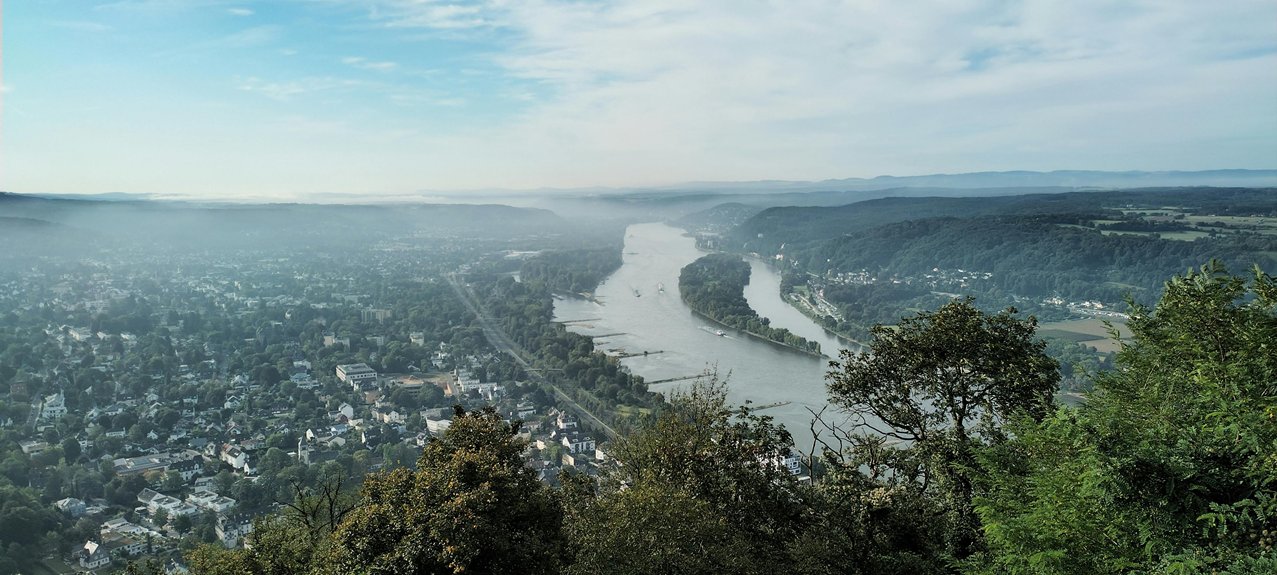
The Rhine Valley offers some of Europe’s most layered and complex photography opportunities, where castles, vineyards, and river light all compete for your attention. We’ll show you how to navigate the seasons, find the right vantage points, and choose the gear that truly works here. Whether you’re a seasoned photographer or just starting out, there’s a lot to get right — and even more to get wrong.
Quick Answer
- Shoot during golden hour in spring or autumn for warm light that enhances castles, vineyards, and river reflections beautifully.
- Use wide-angle lenses for sweeping panoramas and telephoto lenses to isolate distant architectural details and landscape features.
- Iconic spots like Loreley Rock, Marksburg Castle, and Ehrenbreitstein Fortress offer elevated, dramatic vantage points for compelling compositions.
- Incorporate weather creatively—morning fog adds mystery, post-rain skies add drama, and overcast light softens cobblestone street scenes effectively.
- Layer foreground vineyards, river views, and historic architecture in compositions to create depth and emphasize the valley’s scenic scale.
The Best Time for Rhine Valley Photography
When planning a Rhine Valley photography trip, we’ll get the best results during spring (April to June) and autumn (September to November). During these times, mild weather and vibrant landscapes work in our favor.
Autumn is especially rewarding, as colorful foliage contrasts beautifully against historic architecture and Rhine River views.
For lighting, we should target golden hour — early mornings and late afternoons — when soft, warm light enhances castles, vineyards, and river scenes.
After rainfall, dramatic skies and Rhine River reflections add mood and depth we simply can’t replicate on clear days.
Don’t overlook winter either. Snow and fog create a tranquil, almost timeless atmosphere that reveals a quieter, more intimate side of the valley worth capturing.
How Light and Weather Shape Rhine Valley Photography
Beyond choosing the right season, understanding how light and weather behave throughout the day will sharpen our results considerably. Sunrise and sunset deliver warm tones and long shadows that beautifully define the region’s castles and vineyards. Twilight pushes those tones deeper into blues and purples, lending the river a quiet, meditative quality.
Don’t dismiss difficult weather. Overcast and rainy conditions produce diffused light that softens harsh contrasts, perfectly suiting the cobblestone streets of Bacharach and Rothenburg.
Early morning fog rolls across the Rhine with striking mystery, adding depth that clear skies simply can’t replicate.
Even drought conditions create opportunity. Low water levels expose sandbanks and riverbed textures that transform familiar compositions entirely. Weather isn’t an obstacle here — it’s a creative tool we should actively embrace.
Where to Find the Most Photogenic Spots in the Rhine Valley?
Whether you’re chasing iconic vistas or tucked-away corners, the Rhine Valley rewards photographers who know where to look.
We’ll walk you through the region’s most celebrated viewpoints — think the Loreley Rock, Marksburg Castle, and the vineyard terraces above Bacharach — alongside lesser-known spots that offer fresh angles without the crowds.
Knowing both types of locations lets us build a well-rounded shot list before we ever raise the camera.
Iconic Rhine Valley Viewpoints
The Rhine Valley is packed with breathtaking viewpoints, and knowing where to position ourselves makes all the difference in capturing its full grandeur. The Loreley Rock stands as our go-to scenic photo spot, delivering panoramic river views and dramatic landscape compositions that define the valley’s character.
In Bacharach, we’ve got two excellent options: the hilltop above town for stunning sunset shots over vineyards, and the St. Werner’s Church ruins for a charming overlook of the river valley below.
Koblenz’s Ehrenbreitstein Fortress rewards us with elevated perspectives over the Rhine and Moselle confluence, perfect for sweeping wide-angle shots.
Down in Rüdesheim, the Rhine promenade captures historic architecture, lush vineyards, and river reflections beautifully.
Each viewpoint offers something distinct, so we recommend visiting multiple locations throughout your shoot.
Hidden Photogenic Locations
While the iconic viewpoints draw the biggest crowds, some of our favorite shots come from quieter, less-traveled corners of the Rhine Valley. These hidden, photogenic locations reward patient explorers willing to wander off the main path.
In Bacharach, we love exploring the vineyards above town at twilight, where terraced rows frame peaceful dusk light beautifully.
For texture-driven compositions, Oberwesel’s old town walls and towers layer stone and natural growth into richly historic images that reward exploration on foot.
Marksburg and Rheinstein Castles shine early morning or at sunset, offering dramatic river and hillside perspectives with far fewer visitors.
Don’t overlook simple benches tucked into Boppard’s riverside promenade or Bacharach’s unhurried cafes. These intimate spots capture genuine, serene moments that busy Rhine Valley photography guides rarely mention.
What Camera Gear Works Best for Shooting the Rhine Valley?
When it comes to lenses, we’d recommend pairing a wide-angle lens (16-35mm) for sweeping valley panoramas with a telephoto lens (70-200mm) for isolating distant castles and vineyard details.
A polarizing filter is worth adding to your kit, as it’ll cut glare on the Rhine’s surface and punch up the color saturation of the surrounding landscape.
Once the light drops at twilight, a sturdy tripod becomes essential—it’ll keep your shots sharp during long exposures and help you make the most of the valley’s stunning golden-hour scenes.
Essential Lenses for Landscapes
Choosing the right lenses can make or break our shots in the Rhine Valley, so it’s worth thinking carefully about what we pack.
A wide-angle lens (16-35mm) captures sweeping valley panoramas beautifully, while a telephoto (70-200mm) lets us isolate castle towers and vineyard textures from a distance.
For everyday flexibility, a standard zoom (24-70mm) handles both broad riverbank scenes and tighter architectural details without constant lens swapping.
We’d strongly recommend prioritizing lenses with a maximum aperture of f/2.8 or wider. The Rhine Valley’s weather shifts quickly, and wider apertures keep us shooting confidently through overcast skies, early mornings, and moody dusk light.
Don’t forget a polarizing filter too — it deepens water colors, cuts surface reflections, and makes vineyard greens genuinely pop against dramatic skies.
Tripod Stability for Twilight
Once we’ve sorted our lens kit, the next piece of gear that earns its weight in the Rhine Valley is a solid tripod — especially when we’re shooting at twilight. Low light means slow shutter speeds, and even the steadiest hands can’t compete with a locked-down tripod.
We recommend carbon fiber or aluminum models — both lightweight enough to carry through Bacharach’s cobblestone streets yet sturdy enough for vineyard slopes. Look for adjustable legs that handle uneven terrain without fuss.
Once you’re set up, lock the head down tight to eliminate any drift during long exposures.
Don’t forget a remote shutter release or your camera’s self-timer. Pressing the shutter button manually introduces subtle vibrations that’ll soften those beautifully still Rhine River Valley dusk shots. Small detail, big difference.
How to Shoot Castles, Vineyards, and River Views
Shooting castles like Marksburg or Rheinfels calls for low angles that let the architecture tower against the sky or river backdrop, especially during golden hour when the warm light adds depth and drama.
We also recommend capturing reflections of castles in the Rhine or Moselle waters for atmospheric, mirror-like compositions that bring a sense of stillness to the scene.
For vineyards, position yourself at elevated viewpoints during sunrise or sunset to highlight terraced slopes and the striking interplay of light and shadow.
A wide-angle lens lets us combine vineyard rows with sweeping river views in a single frame, emphasizing the landscape’s true scale.
When shooting the river itself, use a slow shutter speed to smooth the water’s movement, creating a flowing contrast against the valley’s timeless scenery.
The Best Vantage Points for Rhine Valley Photography
Finding the right vantage point can transform a good Rhine Valley photograph into a truly memorable one. Above Bacharach, the hillside vantage points deliver panoramic views of vineyards, the Rhine, and historic rooftops — especially stunning at dusk. The Loreley observation deck frames the iconic river bend beautifully, with Heinrich Heine’s memorial and dramatic cliffs as foregrounds.
Climb to St. Werner’s Church ruins in Bacharach or Oberwesel for elevated perspectives that blend architecture with landscape. In Koblenz, Ehrenbreitstein Fortress offers sweeping shots of where the Rhine meets the Moselle — a landscape photographer’s dream.
In autumn, head to the vineyards above Merl along the German Wine Route, where golden foliage and river vistas create rich, layered compositions. Each spot rewards patience and timing. Note that the Vineyards is a short detour to the adjacent Moselle Valley.
Gear We Use in the Rhine Valley
The Rhine rewards versatile gear that handles everything from vineyard landscapes to castle details:
- A mirrorless camera with good dynamic range for misty valley light → Best mirrorless cameras for travel →
- A telephoto zoom for castle details across the river → Best travel zoom lenses →
- A travel tripod for sunrise mist long exposures → Best travel tripods →
- A hiking camera backpack for the Rheinsteig trail → Best camera backpacks for hiking →
Frequently Asked Questions
What is the prettiest part of the Rhine Valley for photography?
The Upper Middle Rhine Valley between Rüdesheim and Koblenz is the most photogenic stretch — it’s a UNESCO World Heritage Site and contains the highest concentration of castles, vineyard terraces, and dramatic river bends. The Loreley section near St. Goarshausen is particularly iconic with the famous rock and sweeping river views.
Do I need a car to photograph the Rhine Valley?
A car gives you the most flexibility for reaching elevated viewpoints and castle approaches at golden hour. However the Rhine Valley is well served by trains running along both banks — you can reach Bacharach, Boppard, Rüdesheim, and St. Goar easily without a car. For the best vantage points above the valley a car or bicycle is helpful.
Can I photograph people in public spaces in Germany?
Generally yes — street photography in public spaces is permitted in Germany. However German law (Kunsturhebergesetz) protects individuals’ image rights, so publishing identifiable portraits commercially requires consent. Crowd scenes and public events are typically fine for editorial and personal use.
Can I photograph boats on the Rhine River?
Yes — and river cruises are actually an excellent photography platform. KD Rhine cruises between Rüdesheim and Koblenz pass directly in front of most major castles. A 70-200mm telephoto lens works well from the boat deck for castle details and vineyard terraces. Early morning departures catch the valley mist for atmospheric shots.
What is the Rhine Valley called in German?
The most famous photographic section is the Oberes Mittelrheintal (Upper Middle Rhine Valley). Germans simply refer to the river as “der Rhein” — pronounced “dair Rine” — derived from the ancient Latin “Rhenus.” The valley’s UNESCO designation as a World Heritage Site covers the 65km stretch between Rüdesheim and Koblenz.
What is the best way to get elevated viewpoints over the Rhine?
Several chairlifts and cable cars access viewpoints above the valley — the Rüdesheim cable car to the Niederwalddenkmal monument is the most accessible and offers excellent river panoramas. Hiking the Rheinsteig trail along the right bank gives you sustained elevated views for several days of shooting if you have the time.
Conclusion
Whether we’re chasing golden hour light over the Loreley Rock or framing a misty castle through autumn foliage, the Rhine Valley rewards photographers who come prepared. We’ve covered the gear, the timing, the vantage points—now it’s your turn to capture it. Can you already picture that perfect reflection of a medieval fortress shimmering across the river at dawn? Pack your tripod, plan your seasons, and let the Rhine Valley unfold before your lens.
Plan Your Trip
Ready to photograph the Rhine Valley? Check current accommodation rates on Expedia → or Trip.com → and compare car rental options at Discover Cars →
Before You Buy
Gear prices shift frequently — worth checking current listings before you buy. Browse the latest deals on travel photography gear at Amazon →or B&H Photo →
Keep Reading
Get the Free Europe Photography Packing Checklist
Everything we pack for a 2-week photography trip across Europe — free when you subscribe.
No spam, ever. Unsubscribe anytime.