
Best Waterproof Cameras for Outdoor Adventure Travel
About the Author: Susan & Doug

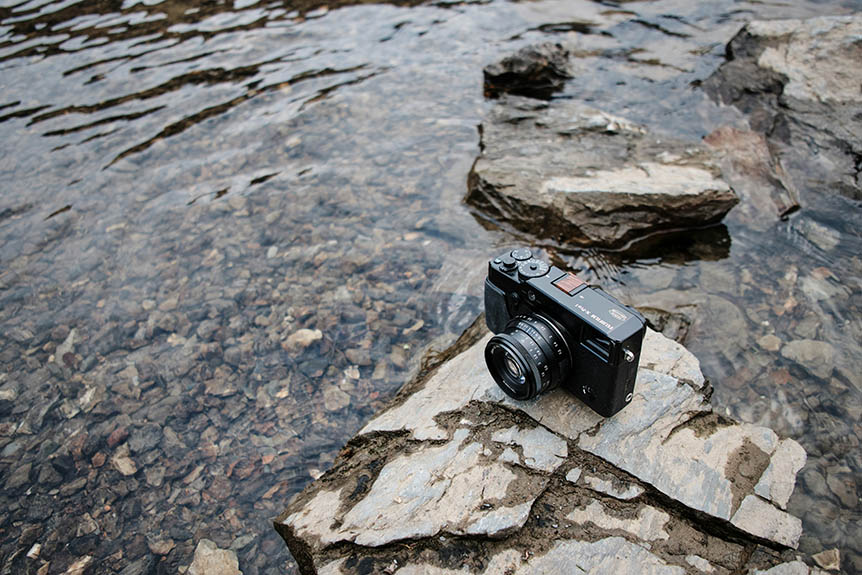
Gear is the armor we wear against the unpredictable outdoors, and choosing the wrong camera can cost you memories you’ll never recover. We’ve tested rugged models across rivers, reefs, and ridgelines to separate genuine durability from marketing claims. Not every waterproof label means the same thing, and depth ratings alone don’t tell the full story. Stick with us — what we found about these cameras might change how you pack for your next adventure.
Quick Answer
- The OM System TG-7 excels in extreme outdoor conditions, being shockproof, crushproof, freezeproof, and waterproof to 15m.
- The DJI Osmo Action 4 offers 4K stabilized video and 18m waterproofing, ideal for hiking and extreme sports.
- The Sealife Micro 3.0, rated to 60m, is the best choice for serious underwater and diving photography.
- Waterproof depth ratings are lab-tested and don’t guarantee impact resistance; regularly inspect seals before each adventure.
- Budget options like the Kodak PixPro WPZ2 ($189) and disposable Kodak Sport ($78.13 for a 3-pack) suit casual outdoor travelers.
The Best Waterproof Cameras for Outdoor Adventure Travel
Whether you’re documenting a backcountry ski run, snorkeling a coral reef, or simply caught in a rainstorm, a capable waterproof camera can mean the difference between capturing the moment and watching it slip by.
We’ve tested options across every category — from tough, shockproof builds like the OM System TG-7 to action camera powerhouses like the DJI Osmo Action 4, which pushes waterproof rating performance to 18m with rock-solid 4K video stabilization.
If you’re serious about underwater photography, the Sealife Micro 3.0 dives to 60m and genuinely delivers.
Budget-conscious adventurers can grab the Kodak PixPro WPZ2, and if you just want something throwaway for a casual beach day, disposable options like the Kodak Sport handle depths of 50 feet without breaking a sweat.
Whatever terrain you’re headed into, there’s a waterproof and rugged solution built precisely for it.
Can Your Smartphone Replace a Waterproof Camera Outdoors?
While your smartphone’s IP68 rating might handle a pool session or light snorkeling at depths up to 30 meters, it’s simply not built to survive the repeated impacts, sand infiltration, and prolonged submersion that serious outdoor adventures throw at it.
Dedicated waterproof cameras come shockproof, freezeproof, and pressure-tested well beyond what any phone case can replicate — and honestly, that difference really shows when conditions turn brutal.
Add in purpose-built features like underwater macro modes, wide-angle lenses, and 4K video optimized for wet environments, and it becomes pretty clear that your smartphone just can’t keep up with a dedicated waterproof camera when you’re out there chasing real adventure.
Smartphone Waterproofing Depth Limits
Many of us have wondered if our smartphones can pull double duty as waterproof cameras on outdoor adventures, but the answer isn’t as straightforward as manufacturers’ marketing might suggest.
Most waterproof smartphones carry an IP68 rating, handling depths of 1.5 to 2 meters for 30 minutes—barely adequate for casual splashing. Even premium water-resistant smartphones like the iPhone 14 Pro push waterproof depth limits to just 6 meters.
Contrast that with a dedicated underwater camera, which routinely handles 15 meters or more.
We’ve also learned the hard way that waterproof seals degrade over time, making waterproof durability unpredictable in ways that can really catch you off guard.
For serious deep water photography, smartphone water resistance simply won’t cut it. Pushing beyond rated limits risks permanent damage, and honestly, we recommend against gambling with expensive devices when better tools exist for the job.
Durability Beyond Phone Cases
Durability tells the real story when we push beyond the waterproofing question entirely. Waterproof ratings only measure one variable. Out in real outdoor conditions, your gear takes shocks, drops, freezing temperatures, and crushing pressure. Smartphones with cases just don’t reliably hold up to that kind of punishment.
Dedicated waterproof cameras like the OM System Tough TG-7 are engineered with shockproof, crushproof, and freezeproof construction. We’re talking sealed access ports, reinforced bodies, and tested impact resistance — not protection that’s been retrofitted after the fact. These aren’t marketing claims; they’re verified design standards built specifically for extreme environments.
A phone case adds some buffer, sure, but it’s a completely different thing from a camera built from the ground up to take a beating. When the terrain gets serious, that difference matters more than megapixels or editing flexibility ever will.
Dedicated Camera Advantages
So we’ve established that purpose-built cameras hold up where phones fall apart — but durability is only part of the argument. Dedicated camera advantages go deeper than waterproof durability alone. These rigs pack specialized lenses and sensors tuned specifically for underwater modes and harsh outdoor conditions — something no smartphone pulls off natively.
We’re talking shockproof, freezeproof, and crushproof ratings stacked together, not just splash resistance. Rugged features like these let you shoot confidently at depths reaching 15m to 60m.
Image quality underwater improves dramatically because the optics and sensors aren’t compromised by trying to do everything at once.
Here’s what really makes the difference though — advanced settings like macro, microscope modes, and built-in underwater lighting simply aren’t on the table with smartphones unless you’re willing to strap on bulky add-ons.
Honestly, if outdoor adventure photography is something you’re genuinely passionate about, a dedicated camera outperforms your phone where it counts most.
We’ve both seen the difference firsthand, and the gap is hard to ignore once you’ve shot in real conditions.
Waterproof Depth, Stabilization, and Ruggedness: What Actually Matters
When shopping for a waterproof camera, we’ve found that depth ratings, stabilization, and ruggedness each solve different problems—and conflating them leads to bad buying decisions.
A 15-meter depth rating covers swimming, snorkeling, and most shallow-water activity, but it won’t help you if your footage is shaky or your camera shatters on a rocky trail.
Stabilization technology—whether optical or electronic—is what separates smooth, usable video from a blurry mess.
While shockproof, freezeproof, and crushproof ratings determine whether your camera survives the chaos between shots.
Depth Ratings Explained
Understanding a camera’s depth rating is the first thing we need to nail down before strapping it to a dive mask or tossing it into a river. Waterproof depth ratings tell us exactly how far we can push submersion depth before water ingress becomes a real problem.
Here’s what certification ratings genuinely mean in practice:
- IPX8 and IP68 confirm sustained water resistance beyond 1m, making them reliable for serious underwater use
- 15m ratings suit most snorkeling and shallow diving scenarios with compact cameras
- 60m ratings serve dedicated underwater photographers needing deeper submersion depth
One thing that catches people out – these ratings say nothing about ruggedness, so a sky-high waterproof depth rating doesn’t mean your camera can take a beating from drops or crushing forces.
We recommend keeping that distinction in mind when you’re weighing up your options.
Stabilization vs. Ruggedness
Once we’ve locked down waterproof depth ratings, the next real debate is whether stabilization or ruggedness deserves more weight in our decision. Honestly, ruggedness wins for most extreme conditions. Shockproof and crushproof ratings, combined with solid impact resistance, determine whether your camera survives a trail drop or a rocky kayak landing.
Stabilization improves video quality and cuts down on motion blur during active shooting, but it matters a lot less when the camera is strapped to a stable mount. And in submerged environments? Waterproof performance takes over entirely—stabilization becomes almost an afterthought down there.
That said, if we’re talking about running, biking, or shooting handheld through chaotic terrain, stabilization genuinely earns its place. Our honest take: we recommend locking in durability first—shockproof ratings, impact resistance, and waterproof depth—then treating stabilization as a valuable but secondary feature once those boxes are checked.
Best Waterproof Cameras for Snorkeling, Hiking, and Extreme Sports
Choosing the right waterproof camera really comes down to what you’re actually doing out there, so we’ve broken down our top picks by activity. Whether you need something tough enough to survive brutal hikes or a setup that shoots stunning 4K video for serious underwater exploration, there’s a durable, water-resistant option that’s genuinely built for your kind of adventure.
- Snorkeling: The GoPro Hero 12 handles casual snorkeling beautifully, while the Sealife Micro 3.0 absolutely dominates at depths reaching 60m.
- Hiking: The shockproof OM SYSTEM TG-7 survives freezing temps and rough trails without breaking a sweat.
- Extreme Sports: The DJI Osmo Action 4 and GoPro HERO 13 deliver stabilized 4K video as true action camera powerhouses.
Match your gear to your actual conditions—honestly, nothing else matters more than that.
How Deep Can Waterproof Cameras Actually Go?
Now that we’ve matched cameras to activities, let’s talk about a spec that genuinely determines whether your gear survives underwater: depth rating. Most waterproof cameras handle depths between 15 and 60 meters, but those ratings are tested under controlled lab conditions, not real-world dive pressure.
The OM System Tough TG-7 sits at 15 meters, while professional options like the Sealife Micro 3.0 push things down to 60 meters.
Here’s what the certifications won’t tell you though: seals degrade. Salt exposure, pressure cycling, and age wear things down faster than manufacturers want to admit.
For serious depth, we recommend protected housings over trusting factory ratings alone. We also recommend checking your seals before every dive, and never assume last season’s camera still performs the way it did out of the box.
Best Waterproof Camera Deals Right Now
Deals on waterproof cameras shift constantly, but a few standouts are worth flagging right now. Whether we’re talking about shooting waterproof video on a dive or capturing outdoor adventure stills, there’s a solid range across budgets.
Three waterproof camera deals we’re watching:
- DJI Osmo Action 4 – Down to $239.00 from $299, this action camera delivers serious performance for the price
- Kodak PixPro WPZ2 – At $189, it’s a capable rugged camera for casual underwater photography without breaking the bank
- OM System Tough TG-7 – Currently around $549.99, offering advanced waterproof features at a reduced rate
If disposable is more your speed, the Kodak Sport runs just $78.13 (for a 3-pack) — a no-commitment waterproof option that’s honestly perfect for one-time trips where we’d hate to risk a pricier camera.
These discounts genuinely won’t stick around, so if something catches your eye, don’t sit on it too long.
Frequently Asked Questions
How Long Do Waterproof Camera Batteries Typically Last During Extended Outdoor Trips?
Battery life typically lasts 200-400 shots per charge. We recommend carrying backup batteries and mastering power management settings. Reduce energy consumption by disabling Wi-Fi, and follow charging tips nightly to maximize usage duration on extended trips.
Can Waterproof Cameras Connect to External Microphones for Better Audio Quality?
Some waterproof cameras support external microphone compatibility via 3.5mm ports, boosting audio quality enhancement outdoors. We’ve found waterproof microphone options with solid waterproof mic durability deliver remarkable sound clarity improvements, making external mic installation worthwhile for serious outdoor audio recording adventures.
Are Waterproof Cameras Compatible With Standard Memory Cards and Accessories?
We’ve found most waterproof cameras offer solid memory card compatibility, supporting SD, microSD types with varying card transfer speeds. Watch for compatibility issues with older cards, but accessory integration, storage solutions, and data transfer methods generally meet adventure photographers’ storage capacity needs.
How Do You Properly Maintain and Clean a Waterproof Camera After Use?
Like a knight polishing armor, we’ll keep your camera battle-ready: rinse saltwater cleaning thoroughly, inspect gaskets, dry lenses carefully, guarantee moisture removal, check camera sealing, prevent corrosion, test pressure integrity, and follow smart waterproof case care storage tips.
Do Waterproof Cameras Work Effectively in Freezing or Extremely Cold Temperatures?
We’ve found waterproof cameras do perform in freezing conditions, but cold battery life drops considerably. Prioritize models with strong winter resilience and frost resistance. Use thermal insulation sleeves to combat temperature effects in brutal icy conditions.
Conclusion
We’ve covered everything from bone-crushing depths to sky-high stabilization, and the verdict is crystal clear: there’s a waterproof camera for every adventure imaginable. Whether you’re diving into abyss-like waters with the Sealife Micro 3.0 or surviving avalanche-level conditions with the TG-7, you don’t have to compromise on image quality. Stop letting your smartphone gamble with your most epic moments—grab a purpose-built waterproof camera and capture adventures that deserve to live forever.
Before You Buy
Gear prices shift frequently — worth checking current listings before you buy. Browse the latest deals on travel photography gear at Amazon →
Keep Reading

Get the Free Europe Photography Packing Checklist
Everything we pack for a 2-week photography trip across Europe — free when you subscribe.
No spam, ever. Unsubscribe anytime.