
How to Photograph the Amalfi Coast in Italy
About the Author: Susan & Doug

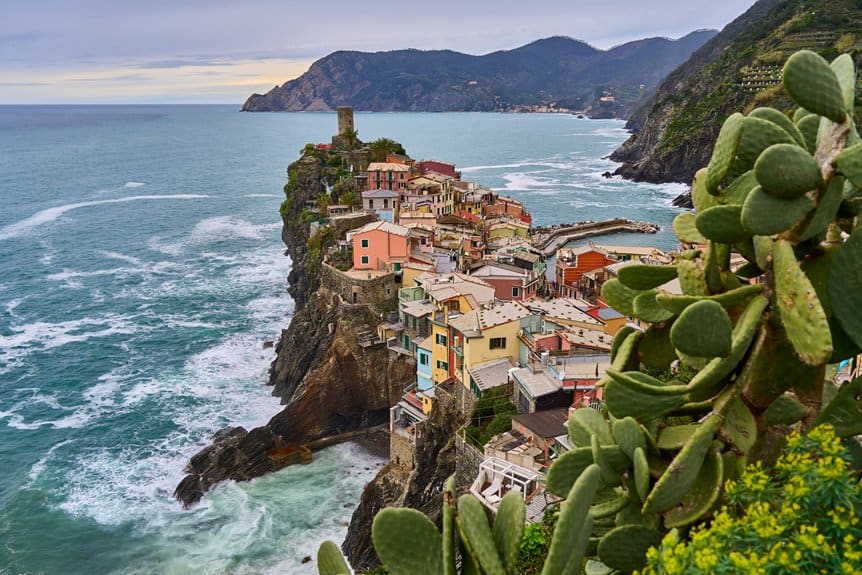
The Amalfi Coast is a canvas that rewards patience and punishes the unprepared. We’ve watched photographers arrive at noon, squinting into harsh light, wondering why their shots look flat. The difference between a forgettable snapshot and a stunning image comes down to timing, positioning, and knowing which roads truly lead somewhere worth stopping. We’re breaking down everything we understand about shooting this coastline, and the first detail most guides skip is where to start.
Quick Answer
- Shoot during golden hour or early morning for soft, warm light and fewer crowds in spots like Positano’s Spiaggia Grande.
- Visit between October and April for dramatic skies, moody atmospheres, and quieter, more photogenic scenes.
- Use scooters or public buses to access viewpoints efficiently, given limited parking in Praiano, Furore, and Amalfi.
- Explore lesser-known towns like Atrani and Vietri Sul Mare for intimate alleyways, ceramics, and crowd-free coastal compositions.
- Prioritize elevated vantage points such as Ravello’s Terrace of Infinity and Amalfi’s Belvedere Cimitero Monumentale for sweeping coastal frames.
When to Visit the Amalfi Coast for the Best Photos
When we visit the Amalfi Coast matters as much as where we point our cameras. The best time depends on what we’re after photographically.
Spring (March–April) gives us empty beaches, mild weather, and soft lighting without the summer crush. We’ll find fewer crowds at every viewpoint, making serene landscape shots far easier to capture.
Late autumn (October–November) brings dramatic skies and moody atmosphere—perfect for those brooding, cinematic frames.
Summer delivers vibrant color and lively energy if that’s the story we want to tell.
Regardless of season, we should always plan around early morning and golden hour. The lighting transforms completely, and the crowds haven’t arrived yet.
Honestly, the weather shapes every shot, so any season can reward us if we’re prepared and paying attention.
How to Get Around the Amalfi Coast for a Self-Guided Photo Tour
Getting around the Amalfi Coast for a self-guided photo tour comes down to three solid options: renting a small car, hopping on a scooter, or relying on public buses.
If you’re comfortable with narrow, winding roads and scarce parking, driving the Amalfi Drive lets you stop at scenic viewpoints on your own schedule. We recommend comparing rates at DiscoverCars.com before booking.
For those who’d rather skip the driving stress, public buses and private drivers get you to the same villages and photo spots with far less hassle.
Driving the Amalfi Coast
Driving the Amalfi Coast ourselves gives us the freedom to stop at scenic overlooks, hidden terraces, and quiet tunnels on our own schedule—something buses and private drivers simply can’t match. The Amalfi Drive rewards patient drivers with incredible viewpoints and hidden gems that larger tour groups miss entirely.
A few practical driving tips make all the difference. We recommend renting small cars—they handle the narrow, winding roads far more easily than larger vehicles. Parking spots fill quickly in towns like Positano and Furore, so we target larger lots or hotel parking areas and walk to nearby scenic stops.
Winter and early spring offer less congestion, making scenic overlooks far more accessible. These quieter months let us linger at each location without competing for the perfect shot.
We recommend comparing rates at DiscoverCars.com before booking.
Renting Scooters for Flexibility
Scooters offer another level of freedom that even a small car can’t quite match on the Amalfi Coast. A scooter rental opens up flexibility for exploring scenic spots and hidden viewpoints that larger vehicles simply can’t reach.
Narrow roads that feel intimidating by car become manageable and even enjoyable on two wheels.
For your self-guided photography tour, spontaneous stops become effortless. You’ll spot a dramatic cliffside angle or a tucked-away village lane and simply pull over without worrying about parking logistics in congested towns like Positano.
We recommend renting between April and October for the best conditions.
That said, always wear a helmet and stay alert on steep curves with limited sightlines. The roads reward patience and caution with extraordinary images.
Using Public Transport Options
While scooters offer tremendous freedom, public transport on the Amalfi Coast is genuinely underrated as a photography tool. Buses operated by SITA SUD connect key photo locations like Positano, Amalfi, Ravello, and Atrani affordably and frequently — letting us focus on the scenery rather than navigation.
Ferries are where things get exciting. Running seasonally from spring through late autumn, these boat services reveal coastal angles and hidden beaches simply unreachable by land. We strongly recommend planning around seasonal schedules, as winter timetables shrink considerably.
Here are quick travel tips worth remembering: download the SITA SUD app, confirm ferry departure times locally, and carry cash for tickets. Accessibility across the Amalfi Coast’s public transport network makes it a surprisingly practical choice for photographers working without a car.
Iconic Photo Spots in Positano Worth the Early Wake-Up
Positano rewards early risers with empty streets and soft, golden light that transforms its stacked, pastel houses into something almost painterly.
We’d suggest starting at the viewpoint along Via Cristoforo Colombo (44) before 7 am, where you’ll capture Spiaggia Grande without the crowds cluttering your foreground.
From there, work your way down to the secret terrace off the quiet residential street above town for a bird’s-eye perspective while the morning mist still lingers in the valley.
Best Early Morning Viewpoints
Early risers are rewarded handsomely in Positano, where the soft golden light of sunrise transforms the town’s cascading pastel facades into something truly extraordinary. We recommend starting at Via Cristoforo Colombo, which delivers a sweeping panoramic view of the hillside architecture bathed in warm, golden light.
From there, head to the Secret Terrace on Via dei Gladioli for an elevated, birds-eye perspective of the valley — it’s especially quiet at dawn, giving us that peaceful, atmospheric quality we’re chasing.
The scenic overlooks along the cliffside paths offer equally unobstructed compositions without the midday crowds.
Finally, Spiaggia Grande rewards early morning visits with glassy water reflections of the colorful buildings above.
These viewpoints collectively capture Positano’s iconic charm most authentically when the town is just waking up.
Timing Crowds and Lighting
Timing is everything in Positano, and we’ve found that arriving at iconic spots like Via Cristoforo Colombo and the Positano Fruit Stand around sunrise makes an enormous difference — both in crowd density and light quality.
Early mornings give you soft light that wraps around the hillside houses beautifully, intensifying their colors without harsh shadows or blown-out highlights.
The best time to shoot is right at dawn, when these spots are far less crowded and the atmosphere stays calm enough for long exposures and clean compositions.
That golden, early-morning lighting transforms what would otherwise be a chaotic midday scene into something genuinely stunning.
You’ll capture reflections, tranquil seascapes, and unobstructed views of the cascading architecture — images that are simply impossible once the crowds arrive.
Where to Stop for Photos Between Positano and Amalfi?
At Furore, we’ll want to position ourselves on the bridge or nearby steps to capture the dramatic fjord cliffs and arched bridge below.
For a quieter scenic seaside moment, shoot Marina di Praiano from the steps above.
Finally, the pathways near Atrani reward us with intimate village views tucked into the cliffs—sunrise and sunset light here is exceptional.
Each stop adds a distinct visual chapter to our Amalfi Coast shoot.
The Best Angles and Viewpoints in Amalfi Town
Amalfi town itself rewards us with some of the coast’s most layered photographic opportunities. Arrive at Piazza del Duomo in early morning before crowds gather, and we’ll capture the Amalfi Cathedral’s striking façade in soft, directional light.
From the fishing pier, we get clean panoramic angles showcasing colorful rooftops against the hillside. Climbing the medieval streets and narrow alleyways reveals terraced gardens stacked dramatically above the waterline — these compositions feel intimate and textured.
For sweeping viewpoints, we recommend heading to the Belvedere Cimitero Monumentale, where the entire coastline opens up before us.
A sunset cruise adds one final perspective, letting us photograph the town’s cliffs and warm-lit architecture from the water.
Together, these angles give us a complete, layered portrait of Amalfi.
Hidden Gems Beyond Amalfi: Atrani to Vietri Sul Mare
Beyond Amalfi’s famous piazza, a string of lesser-known towns rewards us with quieter, more personal compositions. These hidden gems stretch from Atrani to Vietri Sul Mare, each offering something distinct for our lenses.
Atrani, Italy’s smallest town, delivers authentic scenes of everyday coastal life with minimal tourist interference. We’ll find intimate alleyways and peaceful scenes that feel genuinely unguarded. The coastal roads above town open up scenic vantage points where we can frame the cove without crowds blocking our compositions.
Continuing northeast, Vietri Sul Mare presents a completely different visual language. Its colorful ceramics line shop fronts and adorn building facades, giving us vibrant, detail-rich subjects we won’t find elsewhere. Pair those close-up ceramic shots with the town’s seafront backdrop for layered, compelling frames.
Parking, Crowds, and Timing Details That Will Save Your Shoot
Logistics can make or break a shoot on the Amalfi Coast, so we’ll want to plan around a few hard realities. Parking is genuinely scarce in spots like Praiano, Furore, and Amalfi, so arriving early or switching to a scooter saves serious frustration.
Timing matters just as much as location. Early morning and late afternoon light is softer, warmer, and crowds haven’t yet descended on the popular viewpoints. Planning shoots around sunrise or sunset gives us both better exposure conditions and cleaner compositions.
For the least obstructed shots, visiting during the off-peak season between October and April keeps tourist traffic low.
Whatever the season, arriving at least 10 minutes before our planned shot gives us time to set up and secure the best angle.
The Best Amalfi Coast Viewpoints You Can Reach Without a Car
Whether we’re skipping the rental car entirely or just leaving it parked for the day, some of the Amalfi Coast’s best viewpoints are completely walkable or reachable by bus.
In Positano, the viewpoint along Via Cristoforo Colombo delivers stunning panoramic views accessible by foot. Amalfi’s Belvedere Cimitero Monumentale offers sweeping coastal photography spots via a short walk or elevator.
The scenic road above Atrani creates excellent photo opportunities by bus or scooter, with plenty of angles worth framing.
At Fiordo di Furore, public transport drops us near the iconic arched bridge, with Marina di Praia just a short walk away.
Ravello’s Villa Rufolo gardens and Terrace of Infinity remain among the most breathtaking scenic vistas on the entire Amalfi Coast, both fully accessible by public transport.
Our Amalfi Coast Photography Kit
What we packed for cliffside villages, turquoise water, and dramatic coastal light:
- Wide-angle lens for the full coastal panoramas → Best wide angle lenses →
- Telephoto zoom for compressing cliffside villages → Canon RF 100-400mm on B&H →
- Polarizing filter for the turquoise Mediterranean → Check price on Amazon →
- Compact travel tripod for dawn shots over Positano → Best travel tripods →
Affiliate links — we earn a small commission at no extra cost to you.
Frequently Asked Questions
Which Is the Prettiest Town on the Amalfi Coast?
Positano is our pick for the most photogenic town on the Amalfi Coast — its stacked pastel houses, steep alleyways, and Spiaggia Grande create compositions you simply don’t find elsewhere on the coast. Ravello runs a close second for elevated viewpoints and gardens.
What Is the Odd Even Rule in Amalfi?
While it sounds complicated, it’s truly simple. On odd dates, vehicles with odd-numbered plates may drive, and on even dates, vehicles with even-numbered plates may drive. This restriction applies from April through October, so planning scenic viewpoint shoots around these less congested days can make for a more relaxed and enjoyable photography experience.
Where to Take Photos in Amalfi?
We’ve found the best sunrise spots at Villa Cimbrone’s Infinity Terrace, hidden viewpoints along colorful alleyways in Atrani, coastal cliffs at Fiordo di Furore, historic landmarks like Amalfi Cathedral, plus stunning marina views and lush gardens.
How Many Days in Amalfi Is Enough?
We’d recommend 3 days minimum to cover Positano, Amalfi town, and at least one hidden gem like Atrani or Ravello. That gives you two golden hour sessions and time to explore without rushing between viewpoints.
Conclusion
We’ve covered everything you need to photograph the Amalfi Coast — from chasing golden hour light to navigating narrow roads and finding viewpoints most visitors miss. Pack your camera, wake up early, and embrace the unexpected moments between planned shots. The coast doesn’t wait, and neither should you.
Plan Your Trip to the Amalfi Coast
Check flights and hotels on Expedia →, browse stays on Trip.com →, or compare car rentals at DiscoverCars.com →or book a guided coastal tour on GetYourGuide →
Before You Buy
Gear prices shift frequently — worth checking current listings before you buy. Browse the latest deals on travel photography gear at Amazon →, Adorama → or B&H Photo→
Keep Reading
Get the Free Europe Photography Packing Checklist
Everything we pack for a 2-week photography trip across Europe — free when you subscribe.
No spam, ever. Unsubscribe anytime.