
Golden Hour or Blue Hour: Which Is Better for Travel Photography?
About the Author: Susan & Doug

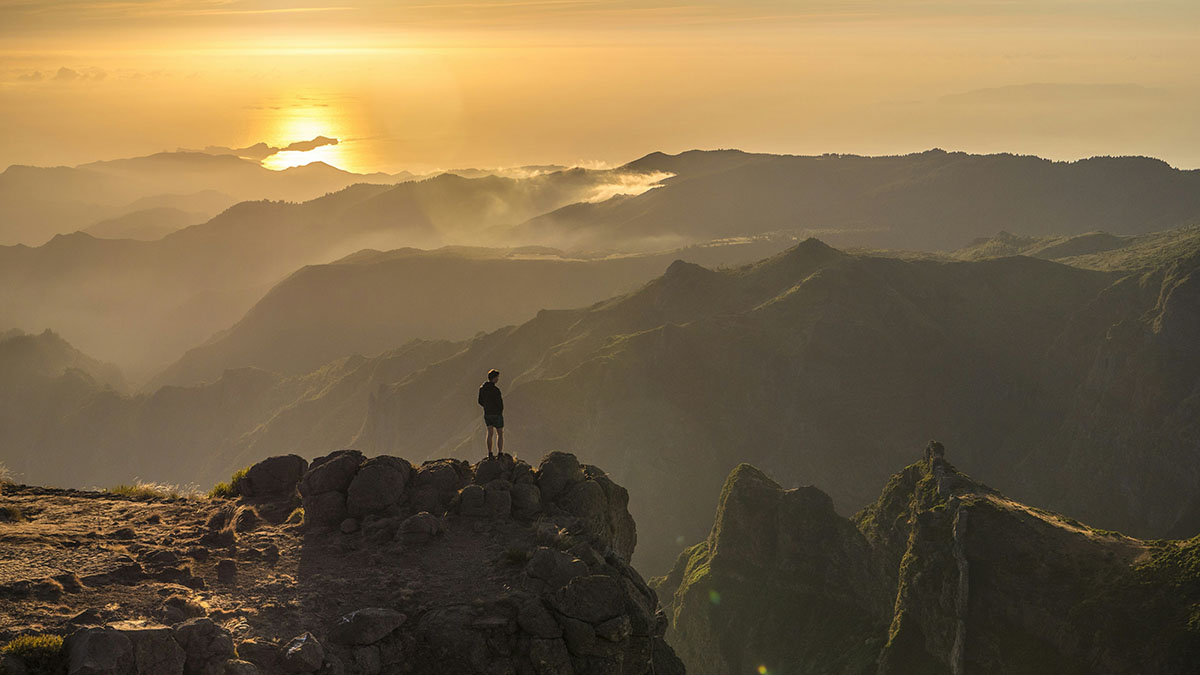
Quick Answer: Both golden hour and blue hour are great for travel photography, but they create different moods. Golden hour gives you warm, glowing light perfect for landscapes and portraits, while blue hour offers cool, atmospheric tones ideal for cityscapes. Your best choice depends on your subject and the feeling you want to capture.
Light is the paintbrush of travel photography, and knowing when to pick it up makes all the difference. We’ve all stood at a stunning location, unsure whether to shoot at sunrise or linger until dusk. Golden hour and blue hour each bring something distinct to your images, and choosing wrong can mean missing the shot entirely. We’ll break down exactly when, where, and why each light works best — so you never waste another magic moment.
Quick Answer
- Golden hour suits landscapes, portraits, and wildlife with warm, vibrant tones, while blue hour excels for cityscapes and illuminated architecture.
- Golden hour lasts approximately one hour, offering more flexibility, whereas blue hour provides only 20–30 minutes to shoot.
- Warm golden hour lighting evokes nostalgia and energy, while blue hour’s cool tones create tranquility and mystery.
- Neither period is universally better; the ideal choice depends on your subject, desired mood, and location type.
- Combining both periods during the same shoot can produce stunning transitional lighting effects for diverse travel photography.
Golden Hour vs. Blue Hour: Definitions, Timing, and Key Differences
When it comes to photography, two magical windows of light stand out: golden hour and blue hour. Understanding their definitions, timing, and key differences helps us capture stunning travel shots.
Golden hour occurs shortly after sunrise and before sunset. The sun sits low in the sky, producing warm tones, long shadows, and vibrant natural lighting that energizes our scenes.
Blue hour happens just before sunrise and after sunset. The sun dips below the horizon, casting deep blue and purple hues that create calm, moody atmospheres.
Timing matters too. Golden hour lasts roughly an hour, giving us plenty of shooting time. Blue hour is shorter, typically 20-30 minutes, so we need to move quickly.
Both offer incredible natural lighting, but each shapes a completely different mood in our images.
How Does Each Light Hour Change the Mood of Your Travel Photos?
Each lighting period shapes the emotional tone of our travel photos in distinct ways. Golden hour’s warm lighting creates an emotional connection that feels cozy and nostalgic, while blue hour’s cool tones produce a calm, contemplative atmosphere. Here’s how each affects your shots:
- Golden hour mood: Warm, diffused lighting enhances vibrancy and vitality
- Golden hour shadows: Soft shadows add depth and dimension to destinations
- Blue hour atmosphere: Cool, deep blue tones evoke tranquility and serenity
- Blue hour tones: Muted, dreamy lighting amplifies mystery and reflection
Understanding these differences helps us choose the right moment for every scene. Need warmth and energy? Shoot during golden hour. Want something calm and introspective? Blue hour’s your best option.
Which Travel Subjects Shine in Golden Hour vs. Blue Hour?
Knowing which subjects thrive in each lighting period helps us make smarter shooting decisions on the road. In travel photography, matching your subject to the right lighting makes a real difference.
Golden hour works beautifully for:
- Landscapes – warm tones bring depth and richness to natural scenes
- Portraits – soft, diffused light flatters faces naturally
- Wildlife – vivid, natural colors make animals and flowers pop
Blue hour shines for:
- Cityscapes – artificial lights contrast dramatically against the deep blue sky
- Waterfront scenes – reflective surfaces mirror that cool, serene atmosphere
- Illuminated architecture – building details stand out sharply
Think of it simply: golden hour belongs to nature and people, while blue hour belongs to cities and lights.
How to Time Your Golden Hour and Blue Hour Shoots While Traveling
Once we understand which subjects suit each lighting period, the next step is nailing the timing. Proper planning and scheduling make the difference between capturing stunning travel photography and missing the light entirely.
Knowing your subjects is only half the battle — mastering timing transforms good shots into unforgettable travel photography.
Here’s how we stay on track:
- Use apps like PhotoPills or The Photographer’s Ephemeris to pinpoint exact golden hour and blue hour times for your location and date.
- Arrive early — at least 30-60 minutes before your target lighting period to set up and compose shots.
- Move fast during blue hour — it only lasts 20-30 minutes, so precision matters.
- Factor in season and latitude, as both affect timing and duration of each lighting window.
Always check weather forecasts beforehand to confirm suitable atmospheric conditions.
Golden Hour or Blue Hour: Which Should You Prioritize?
Choosing between golden hour and blue hour comes down to one key question: what mood and subject are we working with?
If we’re shooting warm portraits or vibrant landscapes, golden hour wins. Its soft light, long shadows, and flattering colors create intimacy and energy. It also lasts longer, giving us more time to work the scene without rushing.
But if our photography calls for something moodier — think cityscapes, water reflections, or cinematic atmosphere — blue hour delivers. Its deep blue and purple colors add tranquility and drama that golden hour simply can’t match.
Here’s our simple rule: choose golden hour for warmth and intimacy, blue hour for atmosphere and edge. When possible, shoot both. The transition between the two light conditions often produces unexpectedly stunning results.
Gear We Use for Golden Hour and Blue Hour
The right gear makes the most of that fleeting light — here’s what we bring:
- A mirrorless camera with excellent low-light performance → See our top mirrorless picks →
- A wide angle lens to capture sweeping golden hour landscapes → Best wide angle lenses →
- A sturdy travel tripod — essential for blue hour long exposures → Best travel tripods →
- A GorillaPod for quick setups on walls, ledges, and uneven ground → Best GorillaPods for travel →
Frequently Asked Questions
Is Golden Hour or Blue Hour Better?
Both have unique strengths! We’d choose golden hour for sunset portraits, sunrise landscapes, vibrant colors, and dramatic shadows. For cityscape reflections, silhouette shots, and moody atmospheres, blue hour’s natural lighting wins. It truly depends on your desired mood!
What Is the 20-60-20 Rule in Photography?
Imagine golden light spilling across your frame — we use the 20-60-20 rule to balance composition tips: 20% grabs attention with contrast adjustment, 60% supports through color temperature and shadow play, and 20% harmonizes exposure settings.
Is Golden Hour Good for Photography?
Yes, golden hour’s absolutely fantastic for photography! We love how the sunset glow and warm tones create soft shadows and vibrant colors. Whether shooting early morning or evening, golden hues and natural lighting set a beautiful atmospheric mood.
Is Blue Hour Good for Photos?
Yes, blue hour’s urban lighting and color contrast are fantastic for photos! We’ll notice mood enhancement through atmospheric depth, stunning silhouette creation, and beautiful natural tones. Just prepare for exposure challenges and enjoy shadow play creating magical imagery!
Conclusion
We understand what you’re thinking—”I don’t have time to shoot during both windows.” You don’t have to! Start by identifying your subject. If it’s a landscape or portrait, chase the golden hour. If it’s a cityscape or reflection, grab the blue hour. Once you understand what each light does for your photos, you’ll naturally know which one fits your shot.
Put It Into Practice
The best way to use light is to be ready for it. Browse our recommended cameras and tripods on Amazon — all tested in real travel conditions.
Keep Reading:
Best Camera Settings for Travel Photography Beginners →
How to Tell a Story With Your Travel Photos →
Best Photography Spots in London for Stunning City Shots →
Get the Free Europe Photography Packing Checklist
Everything we pack for a 2-week photography trip across Europe — free when you subscribe.
No spam, ever. Unsubscribe anytime.