
Best Travel Tripods That Fit in a Carry-On Bag
About the Author: Susan & Doug

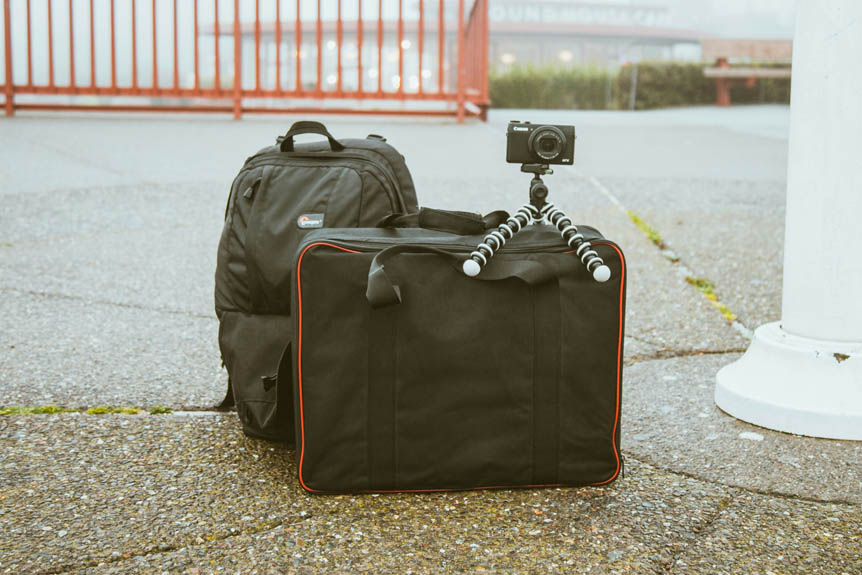
We’ve all been there—standing at the luggage carousel, watching a bulky tripod bag tumble down while wondering if it survived checked baggage. There’s a smarter way to travel with a tripod, and it starts with picking the right one. The best travel tripods collapse small enough to slip into a carry-on, weigh next to nothing, and still deliver real stability when you need it. Let’s break down exactly what to look for.
| Model | Weight | Folded Length | Best For | Price | Buy |
|---|---|---|---|---|---|
| SIRUI 5C | 1.87 lbs | 13 inches | Best overall carry-on tripod | ~$109 | View on Amazon |
| Peak Design Travel Tripod | 2.81 lbs | 15.4 inches | Best premium travel tripod | ~$399 | View on Adorama |
| Manfrotto PIXI EVO 2 | 0.57 lbs | 8.1 inches | Best ultralight mini tripod | ~$45 | View on Amazon |
| Vanguard VEO 3GO 235CB | 2.65 lbs | 12 inches | Best value carbon fiber | ~$199 | View on Amazon |
| Leofoto LS-225C | 1.98 lbs | 17.7 inches | Best compact carbon fiber | ~$239 | View on Amazon |
* Prices approximate. Check Amazon for current pricing. Affiliate links — we earn a small commission at no extra cost to you.
Size, Weight, and Features That Actually Matter in a Carry-On Tripod
When shopping for a carry-on tripod, size and weight are the first specs we check. We look for a foldable design with a folded length between 15–20 inches — that’s what clears overhead bins without a fight.
Weight matters too; anything under 2 pounds keeps portability practical across long travel days.
For max height, we want roughly 50–60 inches extended — enough for most shooting scenarios without sacrificing compactness.
Features like a quick-release plate save real time in the field, while a reversible center column adds flexibility without adding bulk.
Durability comes down to materials. Carbon fiber wins on weight savings; quality aluminum balances cost and strength.
Both keep the tripod lightweight and stable. These aren’t luxury specs — they’re the baseline for a compact travel tripod that actually works.
The 5 Best Travel Tripods That Fit in a Carry-On Bag
After testing across airports, trails, and tight overhead bins, we’ve narrowed the field to five carry-on-friendly tripods that actually deliver.
The SIRUI 5C weighs just 1.87 lbs, folds to 13 inches, and handles 15 lbs — serious photography gear in a lightweight, portable package.
The Peak Design Travel Tripod folds just over 15 inches and even slips into backpack water bottle pockets.
Need ultra-compact? The Manfrotto PIXI EVO 2 fits in a coat pocket at 8.1 inches.
The Vanguard VEO 3GO 235CB folds to 12 inches with a versatile ball head for reliable stability.
Finally, the Leofoto LS-225C compresses to 45 cm while supporting 4 kg of gear.
Each travel tripod here proves that compact and carry-on doesn’t mean compromising performance.
Carbon Fiber vs. Aluminum Travel Tripods: Which Is Better?
When choosing between carbon fiber and aluminum travel tripods, weight and durability are the first factors we’ll want to weigh—carbon fiber models run 20-30% lighter, making them easier to haul through airports.
But aluminum tripods take more of a beating without cracking or denting. The tradeoff, though, comes down to cost: carbon fiber’s performance advantages will set you back considerably more than a comparable aluminum model.
If you’re shooting on a tight budget with a heavier camera rig, aluminum may actually serve you better.
However, frequent flyers who prioritize a lighter pack will likely find carbon fiber worth the investment.
Weight and Durability Compared
Choosing between carbon fiber and aluminum comes down to two core trade-offs: weight versus cost, and stiffness versus toughness.
Carbon fiber tripods win on weight — models like the SIRUI Traveler 5C clock in around 1.9 lbs, while comparable aluminum builds often hit 3–4 lbs. That difference matters when we’re maximizing every ounce in a carry-on.
Carbon fiber also dampens vibration better, delivering steadier shots in wind or on rough terrain.
But aluminum fights back on durability. It resists cracking under impact better than carbon fiber, making it the sturdier choice for rugged travel. It’s also easier and cheaper to repair.
If we’re rough on gear, aluminum’s toughness may outweigh the lightweight advantage carbon fiber offers — especially at two to three times the price.
Cost Versus Performance Tradeoffs
Once we break down the numbers, the cost gap between carbon fiber and aluminum becomes harder to ignore. Aluminum tripods typically run 30–50% less than comparable carbon fiber models, making them a solid entry point for budget-conscious travelers.
But that lower price comes with tradeoffs: more weight in your carry-on, slightly reduced stability in windy conditions, and less vibration damping during long exposures.
Carbon fiber earns its premium through genuine performance gains. You’re getting better durability, superior stiffness at maximum height, and meaningful weight savings—around 20–30% lighter than aluminum.
For frequent travelers who prioritize stability and long-term reliability, that cost difference pays off quickly. If you’re shooting occasionally, aluminum delivers respectable performance without stretching your budget.
Can You Actually Bring a Tripod on a Plane?
We’ve all had that moment at the security checkpoint, wondering if the TSA agent is about to pull our tripod out of the bag — but the good news is that the TSA generally allows tripods in carry-on luggage, though officers reserve the right to flag them as potential blunt-force objects.
Knowing when to pack your tripod in your carry-on versus checking it can save you serious headaches, especially when flying internationally where rules tighten up fast.
A few smart packing moves — like collapsing your tripod to its shortest length, securing the legs with a velcro strap, and tucking it vertically into your bag — can make the whole process smoother from departure gate to destination.
TSA Rules Explained
Before we get into the best travel tripods, let’s clear up one of the most common questions we hear: can you actually bring a tripod on a plane?
TSA regulations don’t specifically ban tripods, but their shape can trigger a security scan, since agents may flag them as potential weapons. You’re generally fine bringing one as a carry-on, as long as it meets your airline’s baggage size limits — typically 22 x 14 x 9 inches.
That said, airline restrictions vary, so always check before you fly. Larger tripods are better suited for checked luggage to avoid security delays or confiscation at the gate.
Stick to compact, travel-friendly models that fit within carry-on size requirements, and you’ll rarely run into problems.
Carry-On Vs. Checked
Knowing the TSA rules is one thing — actually packing your tripod without headaches is another. Most airlines allow tripods in carry-on baggage if they meet standard size restrictions, typically 22 x 14 x 9 inches. Compact travel tripods usually clear that threshold without issue, sliding right into overhead bins or under seats.
The problem starts with larger, rigid tripods. Some airlines classify them as blunt impact objects and require checked baggage instead — adding fees and the risk of damage. That’s exactly why we always recommend investing in a compact tripod designed for travel.
Before any trip, verify specific airline regulations, since security policies vary by carrier and airport. A little research upfront saves a lot of frustration at the gate.
Packing Tips Abroad
So, can you actually bring a tripod on a plane? Yes — but you’ll need to stay smart about it. Most airlines allow tripods in carry-on bags, provided they meet standard size restrictions (typically 22 x 14 x 9 inches).
We always recommend choosing a compact tripod that folds under 20 inches, making packing considerably easier.
Here’s what we’ve learned from experience:
- Wrap it well — use padding or a protective sleeve to prevent damage
- Know your airline policies before departure, since rules vary by carrier and country
- Keep it accessible — security agents sometimes flag tripods, so store yours in an easy-to-reach compartment
A little preparation upfront saves serious headaches at the gate.
How to Pack a Travel Tripod in a Carry-On Bag
Packing a travel tripod in a carry-on starts with choosing one that folds down to around 15 inches or less — anything longer and you’re already fighting your bag’s dimensions.
A removable or collapsible center column helps shorten the folded length even further, making your packing method more flexible.
Once it’s compact, wrap the tripod in a travel strap or protective bag to prevent scratches and simplify handling.
Slot it into a dedicated side pocket or compartment so it stays put and doesn’t throw off your bag’s balance.
Before heading to the airport, check your airline’s size restrictions.
A travel-friendly tripod means nothing if it gets flagged at the gate — know the rules before you fly.
The Best Mini Tripods for Ultralight Travel
When space and weight are the priority, mini tripods earn their place as serious ultralight tools. We’ve found that a quality compact mini tripod like the Manfrotto PIXI EVO 2 checks every box — it’s only 8.1 inches tall, weighs just 0.572 pounds, and handles mirrorless setups like the Fuji XT-5 with a 55-200mm lens. That’s impressive performance from a small tripod that slips into a coat pocket.
As a lightweight tripod option, it outperforms most budget competitors in stability and build quality. Mini tripods stay under 1 pound, making them the ultimate portable tripod for ultralight travel.
They’re ideal for low-angle shots, tight spaces, and fast setups. For travelers who need a travel-friendly tripod without the bulk, a mini is hard to beat.
Frequently Asked Questions
Does TSA Allow Tripods in Carry-On?
Yes, we can bring tripods in carry-on bags! TSA permits them, though they’re inspected separately. Choose compact designs with lightweight tripod materials, folding mechanisms, and adjustable height to guarantee camera stability while meeting carry-on size restrictions effortlessly.
Is a Portable Tripod Allowed in Hand Carry?
Yes, we’ve found that a portable tripod’s allowed in hand carry! Prioritize lightweight tripod weight, durable tripod material, and easy tripod setup. Check tripod height, stability, compatibility, and durability to guarantee it meets airline size restrictions effortlessly.
What Is the Best Lightweight Travel Tripod?
Like a trusty hiking companion, we recommend the SIRUI 5C—its carbon fiber build nails weight reduction, camera stability, and compact design, ensuring quick setup, ergonomic grip, and durability testing that’ll outlast your adventures.
What Size Tripod Can I Fly With?
We recommend tripods folded under 22 inches for carry-on flights. Look for carbon fiber material, compact legs, and a lightweight head that balances tripod stability, height, and portability—making travel seamless without sacrificing performance.
Conclusion
We’ve covered everything you need to choose the perfect carry-on tripod — from carbon fiber versus aluminum to packing strategies that’ll save you headaches at security. Whether you’re shooting golden hour landscapes or city streets, the right tripod transforms your travel photography. Why settle for blurry handheld shots when a compact, airline-approved tripod fits right alongside your gear? Grab one, pack smart, and start capturing sharper images everywhere your travels take you.
Before You Buy
Tripod prices change frequently — we recommend checking current pricing before purchasing. Find all the gear mentioned in this article on Amazon.
Keep Reading:
Best Lightweight GorillaPods and Flexible Tripods for Travel →
Best Camera Backpacks for Hiking and Travel Photography →
Our Full Travel Photography Gear Guide →

Get the Free Europe Photography Packing Checklist
Everything we pack for a 2-week photography trip across Europe — free when you subscribe.
No spam, ever. Unsubscribe anytime.