
Best ND Filters for Travel Landscape Photography
About the Author: Susan & Doug

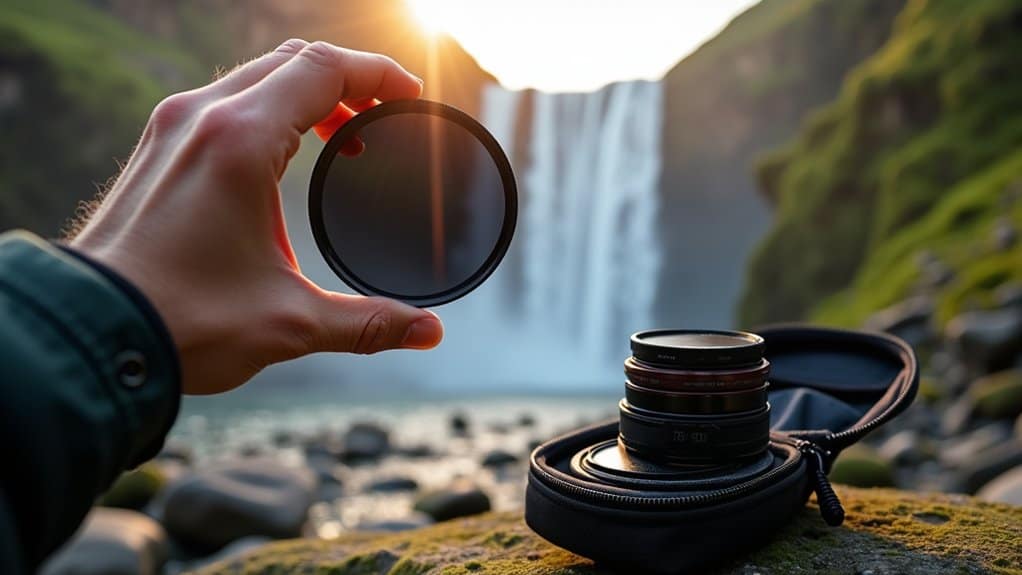
We’ve shot landscapes across four continents, and nothing kills a great travel shot faster than blown-out skies and flat, frozen water. ND filters fix that — but the wrong one adds a color cast that takes hours to correct in post. Not every filter earns a spot in a lightweight travel kit. We’ve field-tested the options that truly hold up, and what separates a great travel ND from a mediocre one might surprise you.
Quick Answer
- Resin filters are lightweight and portable, making them ideal for travel landscape photography without adding bulk to your kit.
- A 6-stop ND64 or 8-stop ND256 covers most scenarios, from silky waterfalls to smooth coastal long exposures.
- Color neutrality is essential; high-quality glass filters like Formatt-Hitech Firecrest prevent unwanted color casts in images.
- Pairing an ND filter with a polarizer enhances water clarity, reduces glare, and boosts color saturation effectively.
- Avoid overstacking filters or using poor-quality optics, as both cause vignetting, reduced sharpness, and color distortion.
Why ND Filters Change Everything for Travel Landscape Photography
When we slip an ND filter onto our lens, we’re fundamentally changing what’s possible in the field. Neutral density filters give us direct light control, letting us push shutter speed into seconds or minutes even in harsh midday sun. That means silky waterfalls, glassy oceans, and streaking clouds become achievable shots rather than happy accidents we stumble into once in a while.
For travel landscape photography, that creative control matters enormously. We’re constantly wrestling with dynamic range in high-contrast scenes, pulling detail back into blown-out skies while keeping foreground exposure balanced.
Long exposures that would otherwise fall apart in bright conditions suddenly become technically sound, and that opens up a whole different way of seeing a location.
What separates quality ND filters from budget options really comes down to color neutrality. Cheaper filters introduce color casts that quietly wreck an otherwise strong image, and you often don’t notice until you’re back at your laptop squinting at the screen.
With the right glass, those long exposure effects stay clean, sharp, and honest to the scene you’re actually standing in — which is the whole point.
Weight, Stop Range, and Neutrality: What to Look for in a Travel ND Filter
Choosing the right ND filter for travel comes down to three practical trade-offs: weight, stop range, and color neutrality.
For portability, resin ND filters are the way to go — they’re lightweight and pack easily without adding bulk to your kit.
In the field, we’ve found a stop range of 3 to 6 stops handles most travel landscape photography situations, giving you smooth water and motion effects without pushing exposures into impractical territory.
Ten-stop and higher neutral density options deliver drama but add weight and bulk that really start to punish long travel days.
Neutrality is non-negotiable — color casts ruin long exposures, especially in mixed light, and there’s no fixing that in post without a fight.
High-quality glass filters like Firecrest maintain true color rendition across extended exposures, which is exactly what we want when we’re far from home and can’t reshoot.
Balance these three factors, and your ND filters become genuine assets rather than gear you quietly resent hauling around.
Best ND Filters for Travel Landscape Photography
Two ND filters cover the vast majority of travel landscape scenarios: the 6-stop ND64 and the 8-stop ND256.
We’ve found these two handle everything from silky waterfalls in midday sun to dramatic long exposures on overcast coastlines without pushing ISO uncomfortably high.
For our filter system, we rely on the Formatt-Hitech Firecrest square format. It’s lightweight, color-neutral, and supports stacking filters cleanly.
We’ll often pair a 6-stop ND with a polarizer to boost water clarity and color saturation simultaneously — a combination that’s genuinely transformed our landscape photography results in the field.
The square design also lets us quickly align a graduated neutral density filter across horizon lines, which is something we find ourselves doing constantly when the sky and foreground need different exposures.
For serious travel photography, these two filters plus a polarizer handle nearly every exposure challenge we encounter.
How to Shoot Long Exposures With ND Filters While Traveling
Getting those filters on location and truly shooting with them effectively is where the real learning curve lives.
For travel landscape photography, we rely on ND filters like the ND64 (6 stops) or ND256 (8 stops) to extend exposure time and render smooth water or motion blur.
Mount your neutral density filters onto a compact filter system using step-up rings sized for your wide-angle lenses to prevent vignetting while maintaining portability.
Lock your camera onto a sturdy tripod, engage a remote shutter release, and shoot during golden hour or overcast conditions for natural light control — this reduces your dependence on extreme filtration.
We recommend Formatt-Hitech Firecrest glass for minimal color cast during long exposures.
Dialing in these field habits separates sharp, intentional images from blurry, wasted shots.
ND Filter Mistakes That’ll Ruin Your Travel Shots
Even seasoned photographers make ND filter mistakes that cost them keeper shots in the field, so let’s break down the most damaging ones.
- Poor optical quality introduces color cast and kills image sharpness before you’ve even composed your shot.
- Overstacking filters or ignoring filter compatibility creates vignetting that degrades your frame edges.
- High-density ND filters (10+ stops) demand precise exposure settings—miscalculate and you’ll blow shutter speed into impractical territory.
- Skipping filter cleaning leaves dust, smudges, and fingerprints baked into your shots.
- Relying on ND filters alone without understanding the full exposure triangle produces unintended motion blur or lost detail.
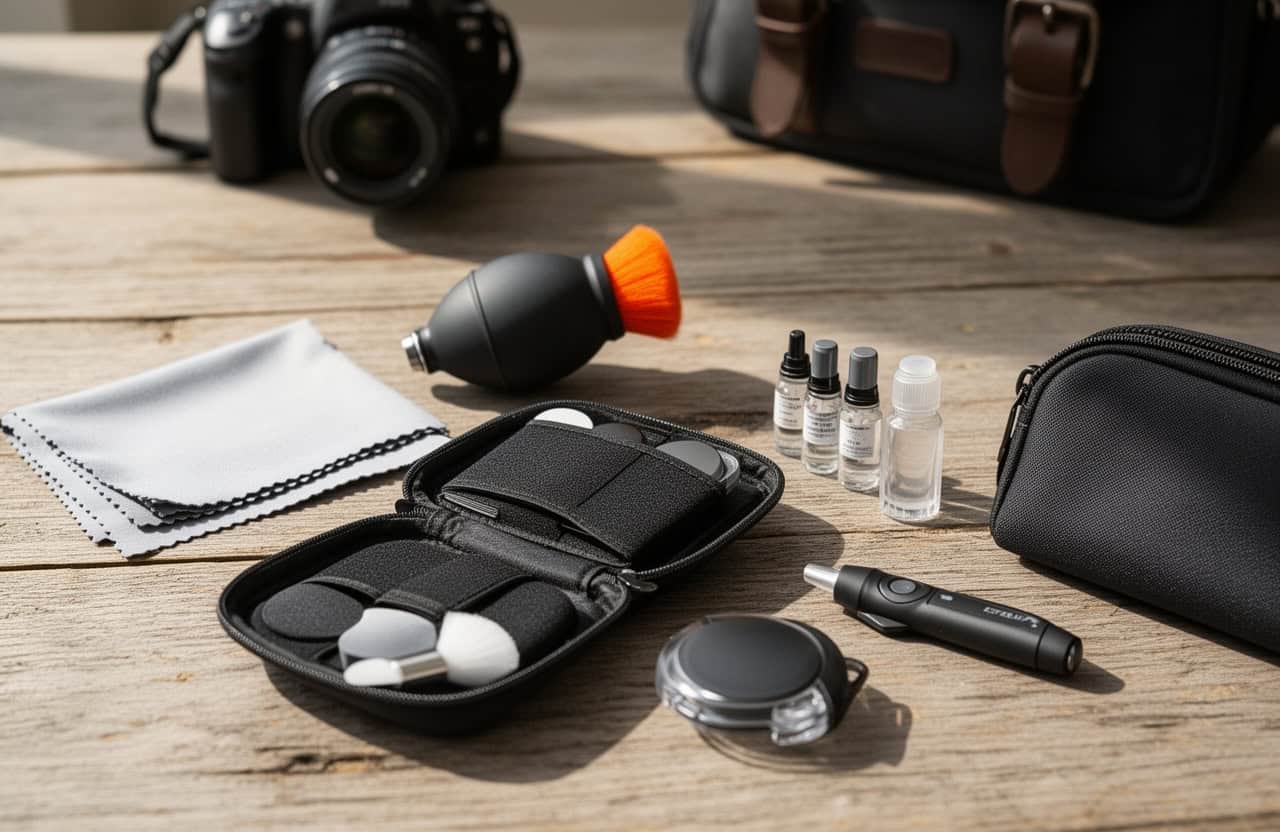
Each of these ND filter mistakes is completely avoidable. We recommend carrying a microfiber cloth everywhere you shoot, checking filter compatibility before you’re standing at a location with limited time, and always dialing in your exposure settings manually rather than guessing in the moment.
Our ND Filter Picks for Travel
The filters we pack for long exposures, waterfalls, and bright coastal light:
- Best variable ND filter for travel → Check price on Amazon →
- Best fixed ND filter set → Check price on B&H →
- Best polarizing filter to pair with ND → Polarizing filter on Amazon →
- How to use filters in bright midday light → Shooting in bright midday sun →
Affiliate links — we earn a small commission at no extra cost to you.
Frequently Asked Questions
Can ND Filters Be Used Effectively in Underwater Travel Photography?
Yes, we’ve found ND filters work in marine environments, but you’ll need waterproof housing, proper lens sealing, and filter waterproofing. They aid buoyancy control and underwater lighting, though color correction filters and flash compatibility matter more for water clarity.
How Do ND Filters Perform in Extreme Cold or Humid Climates?
Cold kills gear, but we’ve field-tested ND filters through it all. We’ll see thermal condensation, material expansion, and fog formation challenge temperature stability. Prioritize frost resistance, fogging prevention, and condensation control for reliable humidity effects and cold weather handling.
Are ND Filters Compatible With Smartphone Cameras for Travel Photography?
Yes, ND filters offer smartphone compatibility via clip-on attachment methods, though lens compatibility issues arise with multi-lens phones. We’ve found filter thickness considerations affect image quality impact, while smartphone app controls simplify exposure adjustments. Use portable filter cases for convenience.
How Should ND Filters Be Stored Safely During Long Travel Journeys?
Damaged filters mid-expedition can set back an entire shoot. We’ll protect our ND filters using padded storage cases with protective caps, guarantee moisture control with silica gel, prioritize temperature regulation, apply smart packing strategies, and secure fastening for reliable damage prevention.
Do ND Filters Require Any Special Insurance When Traveling Internationally?
We’d recommend adding ND filters to your travel insurance policies as high-value gear. Check coverage limits, policy exclusions, and insurer requirements carefully. Document replacement costs upfront, understand claim procedures, and guarantee theft protection and damage liability meet international regulations.
Conclusion
The right two filters cover nearly every travel landscape scenario you’ll encounter. A Firecrest 6-stop ND64 or 8-stop ND256, paired with a polarizer, will handle everything from silky waterfalls to smooth coastal long exposures — and they’ll do it without adding unnecessary weight to your kit.
Find Your ND Filter
Filter prices shift frequently — check current pricing on Amazon → or B&H Photo →
Get the Free Europe Photography Packing Checklist
Everything we pack for a 2-week photography trip across Europe — free when you subscribe.
No spam, ever. Unsubscribe anytime.