
Best Cameras for Street Photography in Low Light
About the Author: Susan & Doug

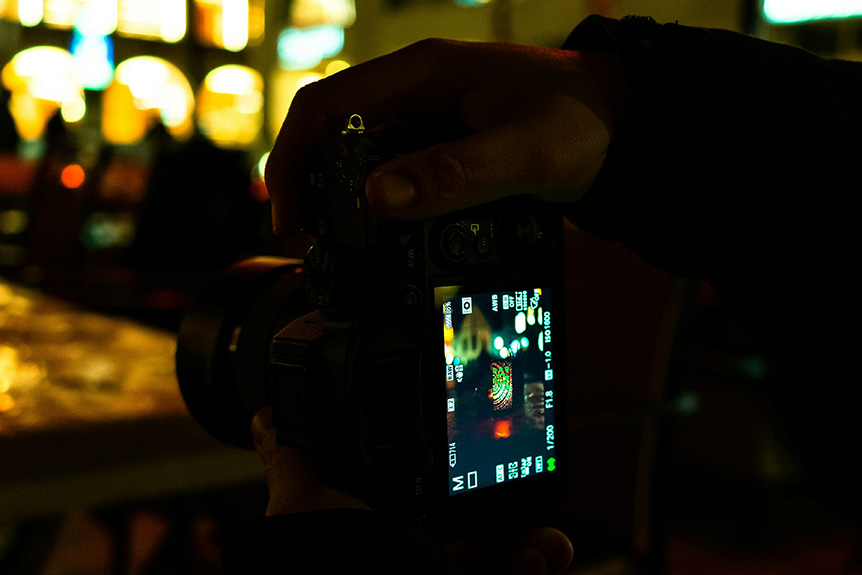
Like Cartier-Bresson chasing his “decisive moment,” we’re always racing against bad light. Low light doesn’t forgive weak gear—it exposes every flaw in your camera’s sensor, autofocus, and lens. We’ve tested what truly works on dark streets, and the results might surprise you. The wrong choice costs you shots you can’t reshoot. Stick with us—we’re breaking down exactly which cameras earn their place after sunset.
Quick Answer
- Large sensors (full-frame or APS-C) capture more light, delivering cleaner, higher-quality images in dark street environments.
- Fast prime lenses with apertures between f/1.2 and f/2.8 are essential for proper exposure in low-light conditions.
- Top compact options include the Ricoh GR III, Sony RX100 VII, and Canon G7 X Mark III for discreet shooting.
- High ISO performance (3200–6400) paired with in-body stabilization minimizes noise and blur during night street photography.
- Shooting in RAW with wide apertures and reliable phase-detection autofocus ensures sharp, recoverable images in challenging light.
Why Low Light Kills Street Photos: and What Your Camera Must Handle
When light drops, cameras struggle in ways that directly sabotage street photography. Noise invades shadows, sharpness collapses, and colors shift toward muddy, inaccurate tones. These aren’t minor inconveniences — they’re image killers.
Underexposure flattens the scene. Motion blur erases the decisive moment. And when autofocus starts hunting, the shot is already gone. Every one of these failures compounds in low light, turning a strong composition into a throwaway frame.
What we’ve learned is that you need a camera genuinely built to fight back — large sensors that pull in more light, fast lenses that hold exposure where you need it, high ISO capability that keeps noise under control, and in-body stabilization that saves frames you’d otherwise lose.
Without these things working together, low-light street photography stays frustrating, inconsistent, and technically compromised. Trust us, we’ve thrown away enough frames to know.
ISO Performance, Sensor Size, and Autofocus: What Actually Matters
When we’re shooting streets after dark, sensor size is the single biggest hardware variable we can control. Full-frame sensors capture more light per pixel, which means cleaner files at ISO 3200, 6400, and beyond.
We also can’t ignore autofocus reliability in dim conditions. A camera that hunts or misses focus in low light costs us the shot, no matter how well it handles noise.
Let’s break down exactly how these two factors interact and why getting both right separates cameras that struggle from cameras that actually deliver.
Sensor Size and Noise
Three core factors determine how a camera handles low-light street photography: ISO performance, sensor size, and autofocus capability.
Let’s start with sensor size and noise.
Sensor size directly impacts low-light performance. Full-frame and APS-C sensors outperform smaller 1-inch or Micro Four Thirds sensors at high ISO settings because larger photosites capture more light, producing less noise. It’s straightforward physics.
That said, we can’t ignore how modern noise reduction algorithms have narrowed that gap considerably. Smaller sensors with advanced processing now perform remarkably well in challenging conditions.
Still, when we’re out shooting dimly lit streets where image quality can’t be compromised, we recommend going with a larger sensor. More surface area means cleaner files, better dynamic range, and smoother tonal shifts — and trust us, those advantages really matter when the light gets tough.
Autofocus in Darkness
Sensor size matters for noise, but it also plays a direct role in how well your autofocus performs in the dark — and that’s where things get interesting. Larger sensors gather more light, giving the autofocus system stronger contrast signals to lock onto.
But sensor tech alone won’t save you if the AF system itself is weak.
Phase detection consistently outperforms contrast detection in low light — it’s faster and more decisive. Pair that with Eye AF or real-time tracking, and you’re holding lock on moving subjects even in near-darkness.
We’d also recommend shooting with wide-aperture lenses — f/1.4 or f/1.8 — since more incoming light directly supports autofocus accuracy.
High ISO noise degrades contrast, so the AF system starts to struggle and hunt. Everything connects, and once you feel it click together out in the field, it starts to make a lot more sense.
Best Compact Cameras for Low Light Street Photography
When it comes to compact cameras that genuinely perform in low-light street photography, a few standout options rise to the top: the Sony RX100 VII, Ricoh GR III, and Panasonic LX100 II.
We’ll look at what makes each worth considering—sensor size, autofocus reliability, and lens speed—because these factors directly determine how well you’ll shoot after dark.
Lens choice is especially critical in compacts, and honestly, a fast f/1.7 or f/1.8 maximum aperture can be the difference between walking away with a sharp, usable shot and ending up with a noisy, blurred mess that you’ll delete before you even get back to the hotel.
Top Compact Low-Light Picks
For street photographers who want serious low-light capability without lugging around bulky gear, compact cameras have honestly never been in better shape. We’ve narrowed it down to four standout options genuinely worth your attention.
The Ricoh GR III leads the pack with its APS-C sensor and 28mm f/2.8 lens crammed into an ultra-pocketable body — it’s the kind of camera you forget is in your pocket until you need it, and then it absolutely delivers.
The Sony RX100 VII pairs a 1-inch sensor with a fast f/1.8–2.8 lens, which we’ve found makes a real difference when the light keeps shifting on you mid-shoot.
The Panasonic Lumix LX100 II brings a Micro Four Thirds sensor and a Leica f/1.7–2.8 lens to the table — the low-light results from this thing in a body this size still surprise us.
Finally, the Canon G7 X Mark III rounds out our list with a capable 1-inch sensor that handles sharp urban shots after dark better than you’d expect from something this small.
Key Features to Consider
Choosing the right compact for low-light street work comes down to a handful of features that genuinely move the needle. Fast lenses (f/1.8 or wider), larger sensor size, and high ISO performance aren’t marketing fluff—they directly determine what you’ll capture after sunset.
Focus on these three:
- Fast lenses — f/1.8 or wider pulls in considerably more light, reducing your dependence on ISO.
- Sensor size — A 1-inch or larger sensor retains cleaner detail at elevated ISOs compared to smaller alternatives.
- High ISO capability — We recommend targeting cameras that handle ISO 3200–6400 without excessive noise degradation.
We’d also recommend optical image stabilization and rapid autofocus as supporting features.
Trust us on this—without those, even the sharpest lens won’t save a blurry, missed moment.
Lens Choices for Compacts
The lens mounted on your compact camera will do more heavy lifting in low-light street work than almost any other single factor. We recommend prioritizing fast apertures — ideally f/1.8 or better — but even a sharp f/2.8 lens delivers strong results when paired with a larger sensor.
Fixed focal lengths outperform zoom lenses here consistently. The Ricoh GR III’s 28mm prime lens, for example, lets us shoot at slower shutter speeds without sacrificing sharpness, keeping motion blur manageable on dimly lit streets.
Compact cameras with wide-angle primes also encourage decisive framing rather than hesitant zooming. Sony’s RX100 VII opens to f/1.8 at the wide end, which meaningfully improves exposure in harsh urban lighting.
Lens speed and focal length aren’t secondary specs — they’re your first line of defense against darkness.
Full-Frame vs. APS-C for Low Light Street Photography
When choosing between full-frame and APS-C cameras for low-light street photography, sensor size is the defining factor. Full-frame sensors collect more light, delivering lower noise and shallower depth of field to isolate subjects effectively.
APS-C models trade some low-light performance for portability—a real advantage on busy streets.
Here’s what we’d weigh when deciding:
- Noise control: Full-frame wins at high ISO, but advanced APS-C sensors close the gap significantly.
- Portability: APS-C cameras are lighter and less conspicuous, and honestly, that matters more than people realize when you’re moving through crowded streets.
- Lens pairing: Pair a fast lens with an APS-C body and you can genuinely match entry-level full-frame performance in low-light conditions—don’t overlook that.
At the end of the day, budget and shooting style are what really drive this decision. Neither format is universally superior—we’ve seen both produce stunning low-light street images, and so can you.
Best Lenses for Low Light Street Photography
Once you’ve settled on a camera body, the lens you pair with it often matters more for low-light performance than the sensor itself. We recommend fast prime lenses with apertures between f/1.2 and f/2.8—they pull in dramatically more light than zoom lenses and deliver cleaner background separation in dim conditions.
For street work, 35mm and 50mm focal lengths strike the right balance between portability and natural perspective, keeping your kit discreet and manageable.
Every low-light lens worth considering should also offer quick, accurate autofocus—missed focus means missed moments. If you’re shooting at slower shutter speeds, image stabilization adds another layer of insurance against blur.
Aperture is your primary tool here; don’t compromise on it.
Camera Settings for Night Street Photography
Night street photography punishes hesitation—both in the moment and in your settings. We recommend locking these three parameters before you shoot:
- ISO: Push to ISO 1600–6400 in low light; manage noise in RAW post-processing.
- Shutter speeds: Shoot at 1/30s or slower with image stabilization enabled to pull in available light without motion blur.
- Aperture: A wide aperture like f/1.4 or f/2 maximizes light intake immediately.
Shooting RAW isn’t up for debate—it’s the only reliable way to rescue shadow detail on dark streets, and we’ve both lost shots we could have saved by skipping it.
We also recommend turning on Eye or Face Detection autofocus; when someone’s moving through a dimly lit alley, you really don’t want to be hunting for focus manually.
Get your high ISO, wide aperture, and shutter speed working together and you’ll have the exposure triangle dialed in the way night street photography actually demands.
Which Low Light Street Photography Camera Fits Your Budget
Budget shapes every camera decision, and low-light street photography is no exception. If you’re working with limited funds, we recommend budget-friendly options like the Ricoh GR III or Canon PowerShot G7 X Mark III—both punch well above their price tag with solid low-light performance in compact, discreet packages that won’t draw unwanted attention on the street.
For mid-range shooters, we recommend taking a serious look at the Fujifilm X-T30 or Sony A6100—both make a real jump in sensor performance without draining your savings.
And if low-light work is central to what you do, the Sony A7 III or Canon EOS R6 Mark II are our top full-frame picks, though yes, the price tag matches the capability.
Don’t sleep on used or refurbished gear either—honestly, it’s one of the smartest moves you can make to get premium low-light features without paying premium prices.
And whatever your budget ends up being, pairing your camera with a fast prime lens somewhere between f/1.4 and f/2 will make a dramatic difference in how your low-light shots actually turn out.
Frequently Asked Questions
Can Smartphone Cameras Replace Dedicated Cameras for Low-Light Street Photography?
Over 90% of photos taken today use smartphones, proving their smartphone versatility. Yet, we can’t ignore dedicated camera advantages like larger sensors. Mobile photography trends are improving, but they haven’t fully replaced dedicated cameras yet.
How Does Weather Sealing Affect Camera Usability During Nighttime Street Photography?
We’ll find that weather durability transforms nighttime shooting confidence — sealing effectiveness shields our cameras from rain, humidity, and fog, while environmental resistance lets us push through challenging urban conditions without hesitating over potential gear damage.
Are Mirrorless Cameras Quieter Than DSLRS for Discreet Street Photography?
Yes, mirrorless cameras are quieter—their electronic shutters eliminate mechanical noise entirely. We’d pair yours with a wide lens aperture and strong camera sensor noise reduction to guarantee you’re capturing discreet, sharp low-light street shots undetected.
How Important Is Image Stabilization for Handheld Low-Light Street Shots?
Image stabilization’s essential for your handheld low-light shots. It eliminates tripod necessity, letting you shoot freely. Combined with strong ISO performance, lens stabilization helps us capture sharp, blur-free images at slower shutter speeds in challenging street conditions.
Does Shooting RAW Versus JPEG Significantly Impact Low-Light Street Photo Quality?
Like a sculptor preserving raw marble over painted plaster, we’d always choose RAW — it retains full sensor size data, letting us control noise reduction and maximize ISO performance, delivering dramatically superior low-light street photos than JPEG’s compressed shortcuts.
Conclusion
We’ve covered the sensors, the autofocus systems, the lenses, and the settings that separate sharp street photos from blurry disappointments. Whether you’re grabbing a compact Ricoh GR III for discretion, mounting a fast f/1.4 prime on an APS-C body for balance, or investing in a Sony A7 III for full-frame performance, the right choice depends on your budget, your shooting style, and your commitment to carrying the gear.
Before You Buy
Gear prices shift frequently — worth checking current listings before you buy. Browse the latest deals on travel photography gear at Amazon →
Keep Reading
Get the Free Europe Photography Packing Checklist
Everything we pack for a 2-week photography trip across Europe — free when you subscribe.
No spam, ever. Unsubscribe anytime.